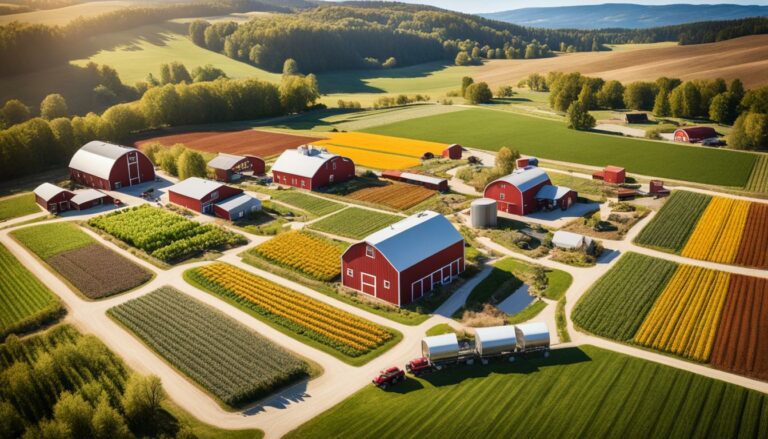

Did you know that over 75% of people are happy to spend more on food from nearby farms? This shows how much people like the idea of farm-to-table eating. It all began in the U.S. in the 1970s. A chef named Alice Waters led the way with her restaurant in Berkeley, California. She showed the world the importance of using local foods that are in season.
For chefs and those keen on culinary adventures, knowing where our food comes from is key. To offer a farm-to-table menu, you must value local ingredients. This involves a lot, from arranging events on farms to checking you have the right permissions. It’s about planning every step carefully, which makes your food not just delicious, but legal too.
Starting a food business focused on sustainability means tackling various challenges. You need the right permits and must follow health rules. Plus, you’ll want to get to know local farmers well. Doing this, ensures your menu is both tasty and supports your community.
The farm-to-table movement shows how much we want fresh, local food and a closer link to where it comes from. This trend focuses on knowing where our food comes from. It also values quality and how our food choices affect the environment.
Farm-to-table means we get food straight from local farms to our tables. This helps us enjoy the taste of fresh produce and supports nearby farmers. It’s all about using farming methods that are good for the Earth. Most people are happy to pay more for food that has been grown close to home.
The idea of farm-to-table started in the 1960s and became big news in the 1970s. It really took off when Chez Panisse opened in Berkeley, California, in 1971. People loved the idea of fresh, organic food and knowing where it came from. By the 2000s, more and more urban areas, like Boulder, Colorado, and Seattle, Washington, were joining in.
| Period | Milestone | Significance |
|---|---|---|
| 1960s | Origination | First thoughts about where our food comes from and preferring local sources |
| 1970s | Chez Panisse Opens | It was a leading farm-to-table restaurant, showing the way for sustainable food practices |
| 2000s | Surge in Popularity | Becoming more popular in cities, more people started to see its benefits |
Today, top restaurants like Noma in Copenhagen focus on the farm-to-table idea. Even with three Michelin stars, Noma is known for its care for the environment. The trend continues with more restaurants looking to grow their own food, changing menus with the seasons, and working closely with local farmers.
Farm-to-table dining has many pluses for food lovers and those who care about the planet. It uses fresh, local ingredients to create healthy and tasty meals. This way of eating also supports the environment and local community.
Farm-to-table is great for our environmental sustainability. It cuts down on the need to transport food long distances, lowering its carbon footprint. Eating locally also means less fuel and fewer harmful emissions.
Local farms use earth-friendly methods like crop rotation and less pesticides. This helps reduce the gases causing climate change.

Farm-to-table means helping local farmers directly. Restaurants that follow this method buy their goods from nearby. This supports the economy and keeps local agriculture strong.
Knowing the source of your food is easy with farm-to-table. These places often share which farm each item comes from. This makes food special and a learning chance, especially for kids, about good food ways.
Farm-to-table is good for our bodies. It uses locally sourced ingredients that are full of nutrition. Fresh food is more nutritious than food that’s been shipped long distances.
Meals are made with simple, natural items without lots of chemicals. Cooking with what’s in season makes food taste and look great. It’s a changing, tasty adventure in every meal.
| Benefit | Description |
|---|---|
| Environmental Sustainability | Shorter food transportation distances reduce emissions, supporting eco-friendly farming practices. |
| Support for Local Farmers | Direct sourcing from local farms helps the local economy and promotes transparency in food sourcing. |
| Health Benefits | Use of fresh, preservative-free ingredients harvested at peak ripeness enhances nutritional value. |
Creating a standout farm-to-table experience starts with careful planning. This step involves choosing the right place, sorting out the details, and doing lots of research. This ensures everything runs smoothly.
First off, you need to know what’s vital for planning the event. Think of a cool theme, make a timeline, and figure out who to work with. Working with nearby farmers is a must for fresh, top-notch ingredients. Also, you need the right permits to follow the local rules.
Next, comes digging deep into the details with research and development. This part is all about green farming, food safety, and when fruits and veg are in season. The farm-to-table idea, kicked off by Alice Waters in the 1970s, is all about local food and being eco-friendly. Checking out what people like can help pick dishes that will wow your guests.
Keeping the food safe is a top priority. You must handle food right to avoid any risks. It’s also smart to keep in the loop with health officials for the latest on food safety.
A farm-to-table gig takes careful planning. Are all the steps clear now, from the start to when the meal is served? A well-thought-out event respects the farm-to-table ethos and gives folks an unforgettable meal.
It’s key to use local ingredients if you run a farm-to-table eatery. Doing this supports the area and boosts your menu’s taste. Lately, these ingredients have become more popular. In Southeast Asia, there are 30% more farm-to-table restaurants now than five years ago.

Getting to know farmers is crucial for farm-to-table success. It means you always have fresh items. Plus, it strengthens community bonds. Groups like the Asian Farmers Association help make farming sustainable. By buying straight from these farmers, you improve the taste of your dishes and help the local economy.
Joining community farms helps in two ways. First, it keeps your kitchen stocked with fresh goods. Second, it teaches your customers about their food’s journey. The Asian Farmers Association supports healthy and green food sources, aiding eateries in their mission.
| Benefit | Impact |
|---|---|
| Boosts Local Economy | Supports nearby farms and businesses, increasing economic resilience. |
| Reduces Carbon Footprint | Decreases the emissions associated with long-distance food transportation. |
| Fresher Ingredients | Enhances the dining experience with higher quality and fresher produce. |
| Consumer Education | Raises awareness about the advantages of farm-to-table dining, fostering sustainable choices. |
Using local ingredients can have hurdles like price and getting the goods to you. But, working closely with local farmers and planning well helps. It might bring in more eco-minded customers. This, in turn, ties your eatery even closer to the community.
Creating a seasonal menu is key for farm-to-table dining. It focuses on fresh, locally grown food. This not only tastes better but is also better for our health and the environment. A good menu shows off the best fruits and veg of each season. It offers a flavoursome and joyful meal experience.
Seasonal flavours bring meals to life. From winter’s tangy citrus to summer’s juicy berries, these foods are fresh and tasty. They also help the environment by needing less travel to reach us. Adding unique spices brings out the best in seasonal ingredients. It makes our meals stand out and memorable.
Menus change with the season, with about four updates yearly. The goal is to create dishes that mix well, both in taste and health. For fancy places, over half of what they offer can be seasonal. This keeps the food interesting for diners and the team. It means everyone is excited about the new meals that come out.
Setting up your farm well is key for a great farm-to-table restaurant. It needs good planning and to follow local rules. This ensures guests are safe and happy. Let’s look at how to do this important step right.
Choosing the right space is vital. It must meet practical needs and feel authentically charming. Think about how easy it is to get to, what’s already there, and the peaceful natural setting. Also, it should work well for both eating and farming, blending guests’ experiences together.

Getting the right permits and knowing about zoning is a must. Each place has its own laws. Talking to local officials is crucial to get food and drink permits. This prevents legal problems and lets the farm run smoothly, following all rules.
Having good liability insurance is vital for the farm’s safety. It helps with guest injuries and damaged property, keeping the business secure. Safety must be a top priority too. From safety checks to clear signs and emergency plans, these show your care for guests’ safety.
Knowing about the right space, legal permits, and good insurance is essential. It forms a strong base for a great farm-to-table experience.
Meal prep for a farm-to-table dining experience is all about top-notch food safety and eco-friendly cooking methods. We aim to give a great meal that’s also kind to the planet. This way, guests enjoy their food and feel good about it too.
Go green in the kitchen by reducing harm to our planet. We use energy-efficient gadgets, cut down on waste by composting, and pick local goods. The seasonal veggies from places like Spetses, Greece, add yummy, fresh tastes. Farm-to-table events, as seen in Shangarry, Ireland, prove we can reach top-notch culinary levels sustainably.
Keeping food safe at farm-to-table do’s is key. This means careful planning and following health rules. Getting food-serving permits and licenses might take up to six weeks ahead of an event. The same goes for serving drinks – licenses and permits are a must.
Events limit how many guests can come. This ensures everyone gets the host’s full attention. Planning well for staff numbers helps in making guests’ time memorable. At places like Ballymaloe, you even get to roam their farms while waiting, making the whole experience richer.
Staying within the law not only keeps things legit but also makes this type of dining more real. We mix sustainable cooking with strict safety rules to keep our meals special.
When aiming for an unforgettable farm-to-table dining event, the atmosphere reigns supreme. The location and decor pave the way for a memorable evening. It brings together tasty dishes and the beauty of nature.
Settings outdoors under stars or inside in a cosy place, the feel is everything. Whether under twinkling stars or in a rustic room, the setting is vital.

Choosing between outdoors and indoors is crucial. Outdoors, nature is the backdrop, with sounds of leaves and fresh air. But, weather and bugs must be dealt with for comfort.
Indoors, the setting is controlled with every detail looked after for an authentic feel. Here, the decor makes everything feel cosy and welcoming.
Decor and how we use light and sound can make dining special. Lights outside and candles inside make a place inviting. Farm-to-table decor like wooden tables connects us to meal origins.
Music chosen carefully adds to the dining experience, making it more enjoyable. This complements both the food and the atmosphere.
Lots of fun and interaction can make dining fun and unforgettable. This might mean parents joining in or fun food activities together.
“Ambiance is the canvas upon which we paint our most cherished dining memories.”
Restaurants like Jibek Jolu in Naperville show mixing culture with smart design works. Their setting, whether from Central Asia or farm-like, makes dining more than just eating. It’s about the story and the feel it brings.
Farm-to-table dining experiences use social media and stories to reach people. They aim to show how food travels from the farm to the plate. This makes guests want to experience the meal for themselves.
In our digital world, social media is key for promoting farm-to-table dining. Sites like Instagram help us share the beauty of the experience. By posting great photos and videos, we connect with young people who care about where their food comes from. Brands on Instagram can share the beauty of the farms and the delicious meals they serve.
Yelp is also important for showing our commitment to quality and for customer feedback. It helps us keep in touch with our diners. Foursquare lets us reach out to people nearby. This makes our marketing efforts more effective for those who might visit.
Storytelling makes our marketing of farm-to-table dining stronger. By telling the true stories of our food’s journey, we connect better with our audience. Blogs and other platforms are great for sharing these stories.
Brands like Chipotle Mexican Grill and Shake Shack use storytelling well. Their blogs, “Cultivate” and “Shack Stories,” share stories about chefs, suppliers, and more. This makes their brands feel personal and builds up their community.
The following table illustrates the impact of incorporating social media and storytelling into marketing efforts:
| Platform | Purpose | Audience Reach | t
|---|---|---|
| Visual storytelling and showcasing unique dishes | Health-conscious millennials and local consumers | t|
| Yelp | Gathering and responding to reviews | Broader local audience interested in food quality | t
| Foursquare | Connecting with nearby consumers | Local diners within a certain distance | t
By using social media well and telling great stories, promoting farm-to-table dining becomes exciting. It gets more people interested and makes customers more loyal.
At my farm-to-table events, guest involvement is key. I aim for them to enjoy an enriching experience. They get to chat with the hosts, seeing first-hand the joys and efforts of sustainable farming. The event includes talks about food and sustainability. These talks make the event both memorable and educational.

For a great farm-to-table event, keeping it small is important. This way, guests can chat with the team in a cosy setting. Details matter, like making sure the food service is smooth. This attention to detail means everyone feels looked after. A smaller group at first helps us refine our hosting, reducing stress.
Talking about food and its journey from the farm is a highlight. These chats delve into the food’s local roots and how it’s grown. They help guests truly understand and value the dishes they’re eating. Involving other local producers makes the talks even richer.
It’s vital to follow local rules to make the event safe and fun. This means getting the right permits for food and drinks, which can take a while. Doing this ensures that all aspects of the farm-to-table event are top-notch and worry-free.
Adding special experiences, like farm tours, deepens guests’ love for the farm-to-table idea. With careful planning and a focus on learning, the event becomes more than just a meal. It turns into a journey where guests discover the wonders of farm-fresh food.
To make farm-to-table dining more exciting, add extra farm-to-table experiences that teach beyond what’s on your plate. This educates and helps guests value the ‘farm to fork’ journey more. Such as farm tours and cooking classes – they offer guests a hands-on experience.
At farm tours, guests see up close how food is grown sustainably. They walk the fields to see where their food comes from. This makes them appreciate the local economy and efforts to reduce pollution through near-farm production. For instance, Blackberry Farm in Maryville, TN, lets guests explore its 4,000-acre surroundings.
Cooking classes mix learning with fun, using fresh farm ingredients. This teaches guests new cooking skills and the value of local produce. Places like Blue Hill at Stone Barns in Tarrytown, NY, hold these classes regularly. They focus on using what’s in season and the health benefits of fresh food. At these cooking classes, guests get to know all about farming and cooking.
These extra farm-to-table experiences do more than teach. They build lasting support for local farmers and their green methods. This deepens the bond between buyers and farmers.
A farm-to-table restaurant’s success depends on its customer relationships and community involvement. By creating a strong farm-to-table network, it receives top-notch ingredients regularly and ensures customer loyalty. This enriches the experiences of everyone involved, from customers to the local community.

Keeping customer relationships strong is vital for these restaurants. Start by making a mailing list. Use it to share news, menu updates, and special deals with regulars. This keeps your restaurant in their thoughts, encouraging them to visit again. Also, getting feedback lets you understand and meet their wants better.
Becoming part of the community is key to gaining a loyal base of customers. It involves joining local events, helping out local causes, and working with nearby farms. Having a garden at the restaurant is a clear sign of environmental and community commitment. It helps build the restaurant’s good name.
Being in a farm-to-table network means valuing local sourcing and supporting farms’ sustainable practices. Gathering trusted suppliers and sharing their stories helps customers relate more with their food. This open approach is especially important in today’s world, where people care about their choices.
Navigating the path to successful farm-to-table dining faces tricky hurdles. Such as, troubles with getting food from the farm to the table, being at the mercy of the weather, and keeping up with new food trends. But, by working out how to fix these issues, the farm-to-table idea can stay important for a long time.
A major hurdle is the long distance food travels, often 1500 miles in the U.S. Changing how food is brought to us, like working more closely with local farmers, can cut this huge distance. This way, fruits and vegetables arrive super fresh. What’s more, choosing local, responsibly made food is good for the planet. It cuts down on pollution and supports nearby businesses.
Yet another challenge is keeping a regular stock of different, top-notch ingredients. Farm-to-table restaurants often change their menus more than just once a season, to use the freshest food there is. This keeps their dishes full of life and nutrition. This approach is rewarding but needs careful planning to make sure they have what they need when they want it.
| Challenge | Solution |
|---|---|
| Logistical Constraints | Develop stronger ties with local producers to reduce transportation distances and costs. |
| Weather Dependencies | Implement preservation strategies and diversify crop selections to mitigate seasonal impacts. |
| Ingredient Sourcing | Utilise Community-Supported Agriculture (CSA) programs for a consistent supply of fresh produce. |
Staying on top of food trends and what customers want is key. The farm-to-table movement has moved from fancy dining to more affordable places. This makes it open to more people. Also, smart menu choices, like more plant-based dishes and clever use of premium meats, can balance the menu and boost profits, without losing quality.
The change in seasons is a big deal in this kind of dining. Knowing what’s fresh and local each season, and using ways to keep it longer, is vital. This not only helps the environment and local farmers but also saves on water and reduces food waste.
In the end, tackling farm-to-table challenges is about smart planning, new ideas, and talking openly with diners about their food’s journey. This dedication highlights real food, making dining both more sustainable and enjoyable.
A farm-to-table meal is more than just delicious; it’s about quality, natural support, and community. These restaurants switch their menu often to use fresh, seasonal foods. This way, they support the environment by cutting down on food miles and lowering harmful gases.
Eating at a farm-to-table restaurant helps local farmers and businesses. It boosts the economy for everyone involved, from the restaurant staff to the food suppliers. This connection makes us value where our food comes from, knowing it’s healthy, fresh, and close by.
The farm-to-table movement believes in a sustainable future for food. It promises clear information about what we eat, showing a strong dedication to quality. This path also means always choosing what’s best for the earth and our communities. It’s a recipe for tastier, caring eating habits.
A farm-to-table dining experience means getting food right from local sources. It highlights the food’s true journey and boosts the local economy. This way of dining makes us more connected to where our food comes from and supports green ways of farming.
Getting food locally cuts down on the distance it travels. This decreases harmful emissions from transport and keeps the food fresher. So, the farm-to-table approach is kinder to the planet.
For a farm-to-table event, remember to check on zoning, health, and safety laws. Also, you’ll need to get liability insurance. Following these rules ensures your event runs smoothly and is legal.
To get ingredients locally, form links with nearby farmers. Joining CSA programmes is also a great idea. These steps help you get top-quality ingredients while supporting the community.
A seasonal menu means your food is at its tastiest and freshest. It also helps in trying new recipes. Choosing what’s in season shows the natural beauty of food and supports local growers.
Sustainable cooking, safe food handling, and following health laws are crucial. These steps mirror the farm-to-table philosophy and ensure your guests have a great meal safely.
Think about whether your event should be indoors or outside. Use decorations that fit the natural surroundings. Also, make sure guests are comfortable, for example, by keeping them warm and pest-free.
Use social media and tell a meaningful story about your event. This hooks people in. Sharing the food’s journey makes your dining experience standout.
Get your hosts talking to the guests about sustainable farming. This can include fun and educational activities like talks. Educating your guests deepens their food appreciation and makes dining more fun.
Adding farm tours and cooking lessons gives your guests a feel for the farm-to-table life. It makes the eating experience richer and helps bond consumers with the food makers.
Keep in touch with clients through emails and let them know about future events. Also, getting involved in community activities shows you care. This helps keep your customers coming back and supports your local network.
Dealing with logistics, the weather, and food trends can be tough. But with creativity and a flexible approach, these challenges can be turned into opportunities. They are key to growing a thriving farm-to-table venture.