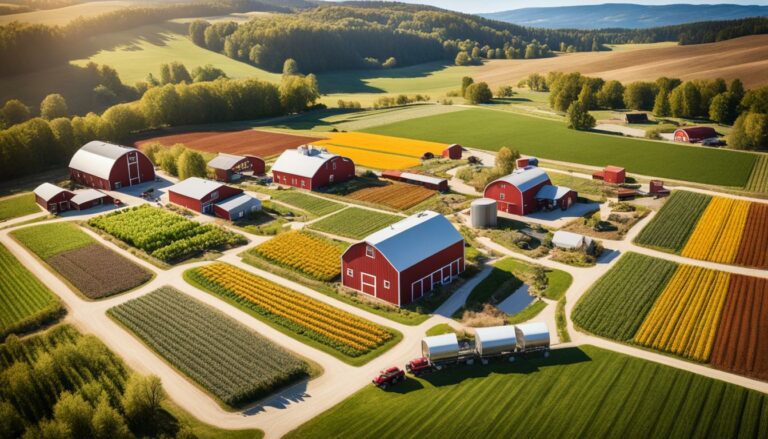

Did you know that agritourism businesses don’t make most of their money from farming activities? This fact shows the value of working with local businesses in agritourism. It’s all about helping each other grow and making the local area economically stronger. In 2018, more people wanted outdoor fun and cooking classes. This switch in travel trends gave agritourism spots new reasons to team up with local shops.
Being friends with local businesses in agritourism really helps everyone succeed. You can work together through ads, helping to spread the word about each other. This not only makes you more well-known but also brings in new customers.
It’s a win-win. Together, you spend less on ads, which is good for everyone’s pocket. This makes the local scene better for business and helps the whole community grow. By working alongside, businesses can make more sales, which supports the neighbourhood and all the cool things local entrepreneurs are doing.
Local business partnerships are key for both growth and making money. By working together, businesses in fields like agritourism reach more people and find new customers. They also help bring new ideas, support the local economy, and make what they offer even better by working as a team.
Working together in agritourism is a big win in places like Franklin County, Massachusetts. They earn over $2 million yearly from directly selling farm products. This leads to a lot of jobs; in Massachusetts, it’s over 200,000 each year, making $11.1 billion. So, working together clearly leads to success.
For small business owners, especially in agritourism, coming together helps a lot. It’s shown that city dwellers, aged over 25 and earning more than $50,000, love quick weekend trips. By knowing this, businesses can change what they offer to attract more visitors. Results show many people love weekend tourism activities, making it a great business move.
| Statistic | Data Point |
|---|---|
| Franklin County Agritourism Revenue | $2 million per year |
| Massachusetts Tourism Job Creation | 200,000 jobs annually |
| Massachusetts Tourism Revenue | $11.1 billion in 2002 |
| Weekend Trip Percentage | 29% (one trip), 22% (two trips), 20% (three-four trips), 23% (five+ trips) |
| Income of Primary Farm Visitors | Over $50,000 a year |
In agritourism, adding new experiences is paying off. Beyond farm tours, businesses offer more, like specialty foods and fun workshops. This way, they keep visitors happy and earn more money. Activities like outdoor bookings went up by 67% in 2018, showing what people like doing.
Using social media well can boost these partnerships. By January 2019, 90% of Americans were online, with many on platforms like YouTube, Facebook, Instagram, or Pinterest. Working together on social media can make business partnerships stronger. This way, everyone wins, helping the local community thrive.
There are different types of local business partnerships, each with unique benefits. These help agritourism businesses grow by using community resources. They also help in supporting the growth of all involved.

To increase brand visibility and attract more customers, businesses work together. Megan Coopey, from Way Fruit Farm, said they increased their festival’s days during the pandemic. They partnered with local musicians, food trucks, and vendors. This not only attracted more visitors but also brought the vendor’s followers, leading to more sales.
Working with local vendors can be a big plus for agritourism sites. This is especially true during events that bring different people together, like outdoor concerts. These events create a great chance to show off local goods and services. But, it’s key to choose vendors who fit well with the event’s goals.
Sharing resources efficiently can significantly help agritourism sites. By partnering with various vendors, like food trucks, businesses can offer more without carrying all the costs alone. However, managing these partners well is crucial to avoid problems.
Megan Coopey explained that spreading out crowds is crucial for following COVID-19 rules. This approach also helps sites fully use shared resources. Making sure all partners meet the business’s standards is vital. This includes checking that they have the needed permissions and insurance.
In the end, creating strong partnerships and sharing resources lets agritourism businesses shine. With clear communication and trust, local businesses can both grow and support their community.
Local businesses working together boost the local economy. They do this through partnerships with nonprofits and schools. This creates benefits for all involved. Businesses gain more loyal customers, and the community’s economy grows stronger.
Working with nonprofits and schools lays the groundwork for lasting growth. Chefs 4 Development shows how multiple organisations can team up. The Technical Centre for Agricultural and Rural Cooperation (CTA) and the Inter-American Institute for Cooperation on Agriculture (IICA) combine their skills. This partnership helps the local economy.
The partnership between IICA and the UN’s World Tourism Organization started in 2019. It focuses on making rural agritourism better. This effort joins education with community goals.
In some cases, partnerships can create benefits for everyone. For instance, a Rural Tourism online course with the University of Technology, Jamaica. It helps students learn practical skills. This mixes classroom learning with real-world experience.
Also, the collaboration with the West Indies Rum and Spirits Producers’ Association in 2021 is significant. It shows how the region’s culture can boost tourism. This initiative helps the local economy while preserving traditions.
Finally, the work between IICA and COLEACP highlights the importance of sharing knowledge. The Caribbean Agrifood Business Series is an example. Such collaborations help the region’s food industry grow. They show how important networking is for innovation and business growth.
| Initiatives | Partners | Year | Impact |
|---|---|---|---|
| Chefs 4 Development | CTA, IICA | Ongoing | Promotes sustainable development |
| Rural Tourism online course | University of Technology, Jamaica | 2021 | Capacity building and skills development |
| Agritourism experiences | WIRSPA | 2021 | Economic growth via cultural heritage |
| Caribbean Agrifood Business Series | COLEACP, IICA | Ongoing | Support for agrifood business sector |
It’s crucial to find business partners that fit your goals. This means looking for those who share your business strategies and community aims. You can meet potential partners at local networking events and through business directories.

Going to networking events and Chamber of Commerce meetings is key for community event collaborations. Here, you’ll meet others with similar goals. You can share ideas and create new connections.
After the pandemic, partnering has become more crucial. For example, Way Fruit Farm has joined forces with local artists and food vendors. They’ve made events that pull in more people and are safe for everyone.
Local directories are a goldmine for identifying business partners. They list local businesses, making it easier to find the right match. For example, Plow Farms teamed up with a dog club to host a special event. This not only drew in visitors but also gave them a unique experience.
Good communication is key to overcoming challenges. Julie Keene from Flinchbaugh’s Orchard said clear talks can help with trust and planning. Choosing the right vendors, like those that offer fun snacks for kids or fancy food for adults, is smart. This builds relationships that benefit everyone over time.
| Strategy | Benefits |
|---|---|
| Networking Events | Direct interaction with potential partners, increased brand exposure |
| Chamber of Commerce Meetings | Access to a network of local businesses, idea exchange |
| Local Business Directories | Targeted outreach, discovering like-minded businesses |
Building strong, win-win partnerships is key to growing businesses together. Think carefully to make sure your new partner’s audience fits well with yours. This makes the team effort stronger.
Checking if your partner’s audience is a good match is very important. If your customers are similar, not only the same, your businesses can both grow more. An example is agri-tourism, where farms working together offer more, like stays, food events, and learning. It’s a growing industry, showing it’s good for partnerships.
Setting clear goals is also vital in a partnership. These goals should be clear from the start to guide your teamwork to success. For example, you might aim to make your brand better known or connect more with customers. Knowing what you want makes it easier to adjust and do well together. Good partnerships can save on marketing, make work smoother, and boost local business.
Agri-tourism brings many good things, like new jobs, a better local scene, and a nicer life for farmers and customers. Using social media, like Instagram and Facebook, can help partners get more visitors by working together. This shows planning carefully is crucial for growing together and lifting up communities.
Sustainable farm partnerships are key for strong rural economies. In 2004, Community Involved in Sustaining Agriculture (CISA) got a grant. It was to look at how agritourism impacts areas like Franklin County, Massachusetts.
This study showed the big potential of working together in agritourism.
Local farms need to work together to grow their economy. Franklin County, being 45th for farm product sales, makes over $2 million directly. By uniting, farms use resources better and reach more customers. They can tackle challenges from city life pulling demand to authentic farm experiences.

Agritourism showcases the value of farming in travel. It’s important in Massachusetts, making over $11 billion in 2002. More urban people are looking for rural getaways. This creates a big market for agritourism.
In places like Maine, farm tourism’s income doubled between 2017 and 2022, hitting $12.2 million. In 2022, sales from Maine farms reached $172.6 million. These numbers show how *sustainable farm partnerships* in agritourism can be lucrative.
Summary of Agritourism Benefits:
| Factor | Impact |
|---|---|
| Franklin County Direct Sales | $2 million/year |
| Massachusetts Tourism Jobs | 200,000/year |
| Massachusetts Tourism Revenue (2002) | $11.1 billion |
| Agritourism Income in Maine (2017-2022) | $12.2 million |
| Percentage of Maine’s Agricultural Product Sales | 20% |
In 2024, the USDA recognised the importance of these partnerships. They funded the Agritourism Research and Extension Collaborative. This group has members from 11 universities and two tourism bodies. Its aim is to boost agritourism nationwide.
In agritourism’s fierce global market, brand recognition strategies are key. Working with local partners boosts your brand’s image. It lets businesses combine efforts, which leads to better marketing and reaching more people.
A huge 87% of people first look for products online. So, having a strong online presence is vital. By partnering with locals, you can do things like having joint events or ads. This can greatly increase your impact and make your brand well-known.
Reviews and testimonials are also vital for trust. When people see that others like your product, they trust it more. To boost this, focus on local SEO, share good reviews online, and be active on social media.
Using influencers can be a game-changer too. They can connect you with people who trust their opinions. For example, Facebook is very important for reaching customers. Make good use of it for your brand.
Don’t forget about in-person partnerships either. Going to local markets, joining events, or teaming up with other local businesses helps. It makes your brand more visible and part of the community.
The best brand recognition strategies mix both digital and real-world marketing. By working closely with nearby businesses, a brand can form a strong, trusted identity. Ideally, becoming a favourite part of the area’s economy.
Joint marketing initiatives are a great way for businesses to work together. They can share their resources and knowledge. This helps them reach more people and have a bigger impact. They can do this through ads and social media.
This teamwork can strengthen their messages. It shows the value of what they offer in a way that catches people’s attention. For example, farms where you can pick your own fruit, places to stay on a farm, and events during the year. These are all shown together, grabbing the interest of many more people.
Working together on ads can make what they offer more visible. It combines money for advertising. Which makes the ads bigger and more creative. They might do ads in newspapers or on TV together. Or sponsor events that show off each of their special things.
The result is a strong, clear message about agritourism. It shows the best of what they have, like the berry picking, farm stays, and events. This way, more people get to hear about them and are more likely to check them out.
Using social media to get the word out is very effective. They can share each other’s posts. This way, they reach more people and it looks more trustworthy. This is good because the message comes from different respected places.
Platforms like Instagram, Facebook, and Twitter are perfect for this. They can do things like offering prizes, showing live videos, or making posts together. These could be about farm tours or things people can learn. A well-planned campaign can get a lot of people interested. And more people spending money locally because they see how lively and innovative the area is.
Small businesses can gain a competitive edge through smart partnerships. Collaborating with others boosts reach and impact of marketing. This makes the most of a small budget.
Pooling marketing expenses with partners is highly beneficial. It allows for bigger and more focused marketing efforts. As a result, the impact is larger without spending too much.

For targeted marketing, knowing the local area well is key. This covers the people who live there, their shopping habits, and local culture. Working with local businesses ensures your message connects well. This makes campaigns more effective, leading to more sales and growth.
The following stats confirm these strategies work:
This data shows well-crafted marketing, aided by shared costs and local insights, is powerful.
| Marketing Channel | Effectiveness | Promotional Cost | Engagement Rate |
|---|---|---|---|
| Social Media | High | Low | 78% |
| Email Campaigns | Moderate | Moderate | 55% |
| Local Events | High | High | 67% |
Using local wisdom and sharing resources boosts marketing. It also helps in uniting and strengthening the local business scene.
Agritourism is booming, with business partnerships showing excellent results. Such alliances create *unique agritourism experiences*, attracting visitors and boosting the economy. In just a year, there was a 67% jump in the number of travellers looking for outdoor activities.
In agritourism, getting visitors truly involved is crucial. Partnering with chefs or schools for cooking classes showcases local foods. This offers fun *engaging agritourism activities*, leading to a 61% rise in class bookings.
Local businesses need to work together for standout *unique agritourism experiences*. Adding farm tours, historical and cultural explorations helps visitors understand local life better. Why? Because 59% prefer these kinds of activities. Also, using social media can make these experiences more visible.
Partnering strategically boosts customer interest and repeat visits. Themed events, promotions, and loyalty programs strengthen these partnerships, building a sustainable agritourism model.
Agritourism networking events help people in the industry connect. They allow for the sharing of great ideas. This, in turn, helps the business grow faster. To plan such events well, you need to think carefully about both the big picture and the details.

Making connections in agritourism is key. It involves gathering the different players to find new ways to work together and be creative. Studies show that people usually find out about agritourism places through friends, which shows how powerful networking can be. Plus, using social media can make these events more popular, bringing in many people.
Plenty of thought goes into planning a successful meetup. A good way is to start with soft openings to try out new ideas. This allows you to gather feedback that can improve things. When making these events, think about what different visitors might like, and focus on those needs. Quality tours are a must to keep everyone engaged and to provide a memorable visit.
The following table outlines key strategies for organising effective agritourism networking events:
| Strategy | Description |
|---|---|
| Leveraging Social Media | Utilise platforms to create buzz and reach wider audiences. |
| Word of Mouth | Encourage participants to share their experiences. |
| Soft Openings | Test ideas and get participant feedback. |
| Niche Marketing | Cater to specific interest groups for targeted engagement. |
| Comprehensive Itineraries | Attract tours by offering organised and immersive experiences. |
Networking in agritourism is all about providing a place to share and create. Good networking events pave the way for new chances and push the industry forward. This all leads to a better experience for those who visit.
Business collaborations are key in helping the local economy. They keep money moving within the community. This helps everyone around. By working together, businesses help each other grow. They don’t just survive but thrive, making the local area stronger.
Keeping business local boosts the economy. It can reduce costs when prices go up, like they did for farming products between 2021 and 2022. By working together, businesses can share costs and resources, lessening the impact of price hikes. This strategy also increases profits, such as the $949 million made from agritourism in the US in 2017.
| Year | Agritourism Revenue in the US | Global Agritourism Market Value |
|---|---|---|
| 2002 | $316 million | N/A |
| 2017 | $949 million | N/A |
| 2021 | N/A | $45.4 billion |
| 2030 (projected) | N/A | $141 billion |
Supporting the community through collaborations is very important. The Agri Food Tourism Development (AFTD) programme in the Murraylands and Riverland areas is a good example. It got more than 370 local businesses involved over three years. This programme showed how community support can help businesses grow and diversify. It helps the whole area do better in the long run.
In agritourism and rural business, creating long-term relationships is key for growth. It’s vital to keep talking and check how well the partnerships are doing. This way, both sides can work together and know what needs to improve.
It’s crucial to always keep communication clear and honest. Regularly updating each other helps to solve problems fast. Good talks mean less chance for mix-ups and build up a sense of trust and understanding.
It’s also important to check how well partnerships are working often. By doing this, both parties can see what’s working and fix what’s not. This keeps them ready to tackle new challenges and grab any good opportunities that come their way.

Studies show strong partnerships in agritourism pay off. For example, Franklin County, Massachusetts, does well in farm product sales. It makes over $2 million each year. Such partnerships not only help the economy but also keep local traditions alive and support the community.
Joining forces with local businesses can greatly boost what you can offer. By teaming up, companies blend their skills to make special deals. Such teamwork lets them win over more customers and make more money.
Pairing up to offer bundles is a top move for bolstering your products. Businesses work together to create full experiences that customers love. Think of a farm stay with a cooking lesson and tour. This caught the eye of more people, making bookings jump 61% in a year. By doing this, people stay longer and spend more money.
Unique partnership deals are a surefire way to stand out and win hearts. When businesses offer something special, it makes customers feel they’re part of a select group. This could be a special package for outdoor activities. In one year, interest in these offers grew by 67%. Deals like these get people talking online, on places where 72% of U.S. adults hang out. This spreads the word far and wide.
With the right focus, tourism businesses can really up their game. Including bundles and unique offers in their plans helps them stay on top of what customers want. It builds stronger ties with their fans.
Local business partnerships help both sides grow. They join forces in things like marketing and sharing customers. This can make their name known more, reach more people, and spend less on ads. Through working together, they can do more, save money, and help their community.
Partnering with nearby businesses helps small business owners stand out more and find new customers. They work together to solve problems and bring fresh ideas. This way, they create a win-win situation, helping each other along the way.
There are many ways for local businesses to team up. They might run joint ad campaigns, recommend each other, or share resources. By doing this, they can get their name out more, work more smoothly, and reach more people.
To work with charities and schools in the area, businesses can start projects that help both. This helps the community and can lead to more loyal customers. It’s all about creating benefits that go both ways.
Looking for partners? Go to networking events or local business meet-ups. These are great for meeting others with similar goals. They’re perfect for sharing ideas and finding new ways to work together.
For a partnership to really work, the goals and the people the businesses want to reach must match up. The objectives set should help both partners grow together. It’s all about finding common ground for success.
Businesses can partner with local farms to boost the countryside economy. They might work on marketing campaigns or promote farm visits. Partnerships like this call attention to the beauty and value of local farming.
Joining forces with other local businesses can make a brand more recognisable and trusted. By working together, they improve their standing in the community. This helps build faith in their products or services.
Joint marketing means businesses team up to advertise or promote on social media. It’s a way for them to share audiences and resources. Together, they can get their message across better and reach more people, all while saving money.
Businesses can spend less on marketing by working together and using what they know about the area. This lets them do bigger, better ad campaigns that really speak to local needs. Shared resources and knowledge can make their marketing stronger.
Partnering in agritourism can create amazing experiences for visitors. This might include farm or food events that celebrate the local area. It makes the visitor’s time special and shows the value of local products.
To make agritourism events work, it’s key to draw people together to talk and share ideas. This is where industry trends are discussed, and new partnerships are forged. It’s all about moving the local agritourism scene forward together.
Working with other local companies helps money stay in the community. This keeps the local area strong and growing. It encourages people to support businesses dedicated to their area’s success.
To keep a partnership strong, both sides need to talk often and maybe change their plans now and then. This keeps their work together benefiting everyone. It’s about always looking to improve and stay useful to each other.
Partnerships can make products or services better by offering special deals or packages. Working together, businesses can offer their customers something extra special. This can set them apart and draw more interest.