Urban agriculture involves around 800 million people worldwide. In poor countries, roughly 266 million families grow crops in the city. They can produce up to 50 kg of food for every square meter each year.
This type of farming is important for making our cities more sustainable. The Green Africa Youth Organization proves this. They show how growing organic food in the city not only feeds people. It also teaches about eco-friendly methods and makes communities stronger.
As our cities grow, green areas get smaller. Urban farming helps save the environment by improving the air and supporting different plants and animals. It also fights the hot temperatures in cities. Urban organic farming is a key part of this. It helps make sure everyone has enough food. It also means living in a way that is better for the planet.
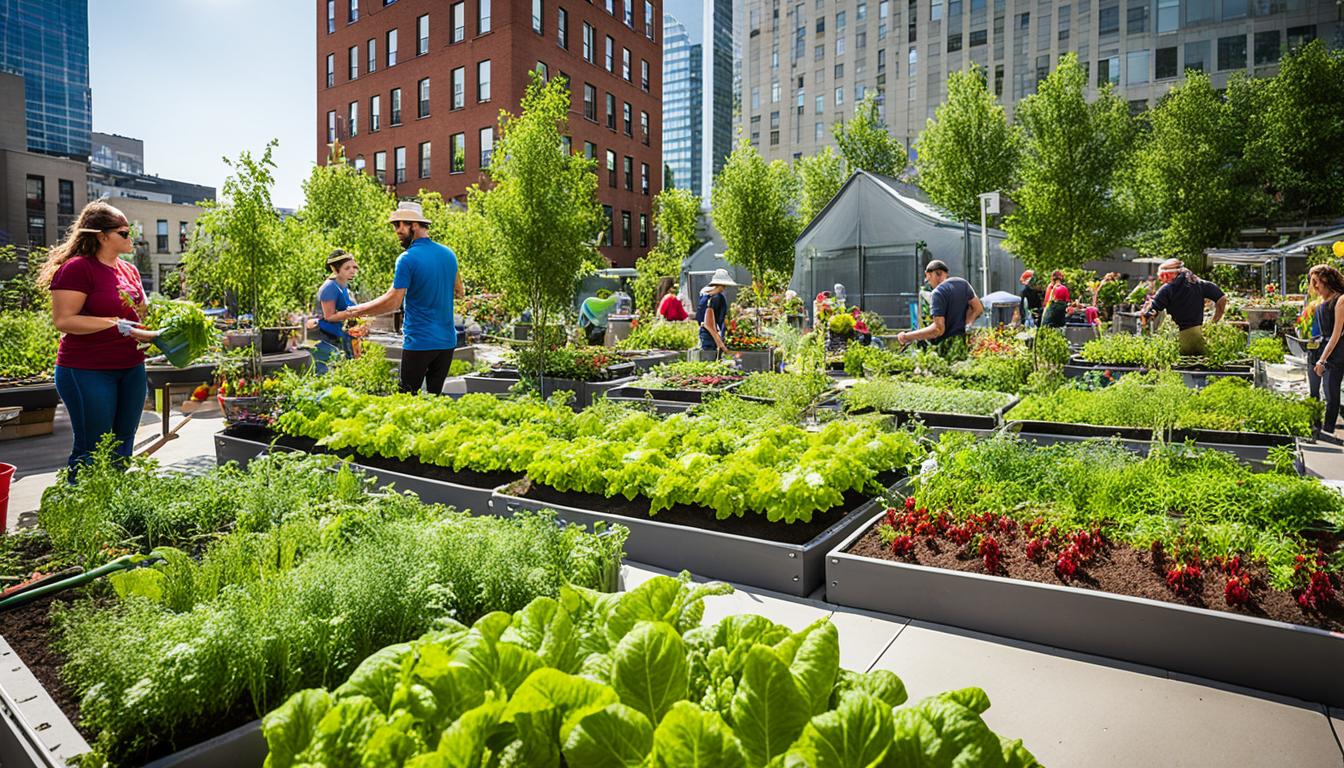
People use many different spaces for this type of farming. This includes roofs, shared areas, and even inside buildings. This variety is great for growing various plants in the city.
Urban gardening is making a strong comeback. It’s a key answer for our crowding cities. Today, we see rooftop farming in cities, but it goes way back in history. Looking at its past tells us how it’s changing today and what the future might hold.
Urban farming is not a new idea. It was common in old times too. People in different groups would farm in cities together. It helped them eat better and grow closer to their neighbours.
These farms were like peaceful spots in loud cities. They were places to relax and meet others. Farming in the city was, and still is, vital for having good, fresh food.
Today, urban farming is picking up steam again. More people live in cities than ever before. So, we need to grow food close to where people are to make sure there’s enough.
Innovative ways to farm are sprouting up all over. Now, even rooftops are turning into gardens. In Washington D.C., the Van Ness Urban Food Hub uses unique farming methods. It helps grow a lot of food in a small area.
The Green Africa Youth Organization (GAYO) is also making a big difference. They are putting up gardens to grow organic food. They want to share this idea all over Africa. This helps people eat better and learn new, good ways to live.
Urban farms also help nature by giving home to bees and other helpful bugs. This makes cities a nicer place to live. Growing food in the city keeps on getting better and more popular. Its old traditions and new methods make our cities greener and more able to look after themselves.
Around 800 million people worldwide find joy and health in urban organic farming. It makes a big difference for the planet and those who grow the food. In countries working hard to grow, 266 million homes take part. This effort helps their communities and the earth stay healthy.

Urban farming is a big deal for the environment. It’s now covering 67.4 Mha around the world. This reduces how much food travels to us, cutting down on carbon emissions. And, it’s impressive to see that from just one square meter, you can get up to 50 kg of fruits and veggies each year.
Keep in mind, urban farms produce more food in the same space than rural farms do. This boosts the amount of food we can grow without using up more land. Plus, it means we use our farms more efficiently, doing good for the environment.
Eating organic food from urban farms is very good for us. It’s fresh and free from harmful chemicals. This kind of food is easy to find close to home, helping people eat better and stay healthy.
Urban farming is also a fun way to stay active. It gets people moving, which is great for their bodies. Having plants around, whether in gardens or indoors, helps calm our minds. It makes people less stressed and happier. It even helps lower high blood pressure.
Many people don’t have enough good food to eat. This affects about 1 in 7 Americans, including over 6 million kids. Urban farms are working to change that by growing food nearby. This means the food travels a short distance to get to our plates. It makes the food safer by being fresher and reduces waste. By doing this, urban farms are making a big, positive difference for many people’s health and happiness.
Choosing the best location for urban organic farming is key. It affects how well plants grow and the farm’s overall success. Urban farming helps feed 800 million people and adds 15% to 20% of the global food. So, knowing how to pick the right place for your urban garden is very important.
Think about things like how much sunlight the area gets, if it has enough water, and the condition of the soil. Plants need sunlight for photosynthesis, which helps them grow and produce food. Making sure water is available is also essential. This is especially true for methods like hydroponics that use water very efficiently. The quality of the soil matters a lot too. In cities, soils can often be poor, lacking in important materials for plant growth.
Urban soils can also have harmful substances like lead from past uses in things like fuel and paint. This can be dangerous for health. Testing the soil for these harmful substances and fixing it is a must for urban farming. Using raised beds or planting in clean containers is a smart way to protect your garden from these dangers.
Urban farming works well in places with fewer people living there. Even small spaces like balconies or rooftops can produce a lot of food if planned well. For example, growing plants upwards can give you three to four times more crops. Aquaponics and hydroponics also make good use of space. They allow farmers to get up to 50 kg of harvest from each square meter every year.
Here’s a look at how different places compare for urban farming:
| Space Type | Sunlight Exposure | Water Availability | Soil Condition |
|---|---|---|---|
| Balcony | Variable | Moderate | Using Containers |
| Rooftop | High | High | Raised Beds/Soil Testing |
| Community Allotment | Optimal | Good | Requires Soil Remediation |
In the end, picking the right spot for urban farming means looking at sunlight, water, and the soil. By doing this well, anyone in a city can turn small, unused places into gardens that help feed people and keep the environment healthy.
Rooftop and balcony gardens help solve the issue of growing food in cities with little space. These small gardens do a lot for us. They help the environment and make city life better with homegrown food.
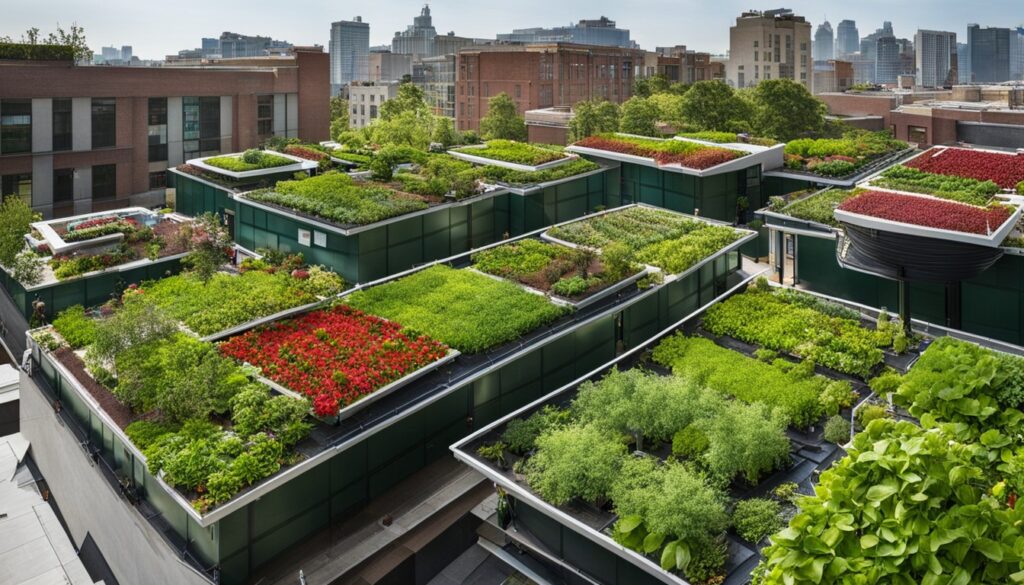
Starting a garden on a roof needs planning. You must make sure the roof can take the extra weight, is waterproof, and easy to get to. It’s vital the roof can bear the load of the garden. Good drainage is necessary to keep the roof safe from water damage.
Keeping the garden easy to reach is also important. This makes it possible to take care of the plants and collect the food. Staying on top of maintenance is key for a rooftop garden’s success.
In Paris, Agripolis is building the biggest rooftop farm. In the U.S., Altius Farms runs a big vertical garden on a roof. These projects show rooftop gardens can work well and grow big.
With little space, balcony gardens need clever design. You can use things like trellises and stacked planters to make the most of a small area. Choosing the right pots is important for the plants to do well.
Growing food at home has become more popular, especially during lockdowns. People in the city are finding ways to garden in small spaces. Balconies and windowsills are turning into places to grow fruit and veg. This is great for making more food in the city.
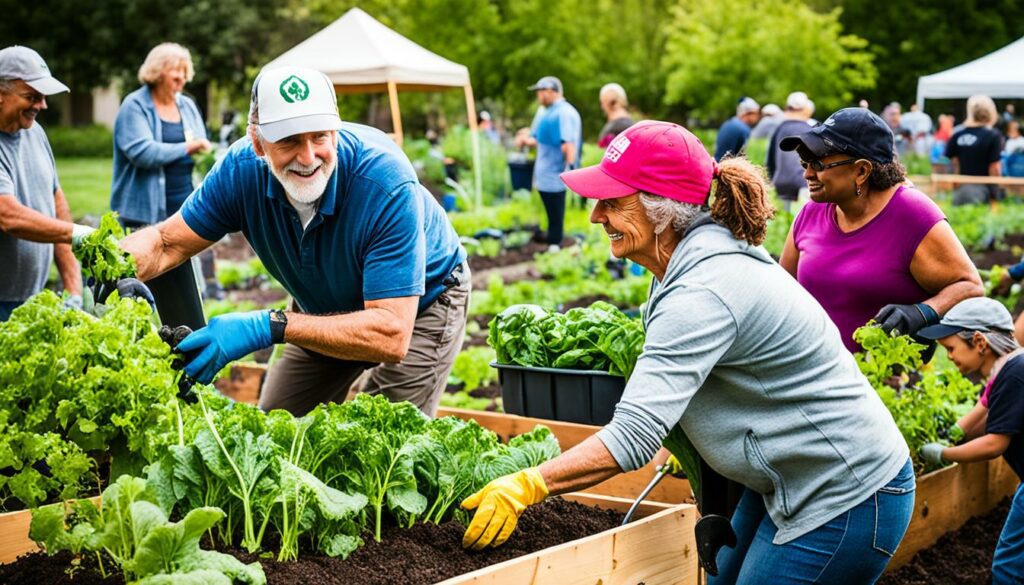
Community and shared gardens are key in community gardening. They bring people together and help them work as a team. These spaces are run by groups or locals to help everyone learn, share resources, and grow healthy food.
Yes Farm was started by the Black Farmers Collective in 2016. Since then, they’ve grown many types of crops. Some of these are collards, corn, squash, and spinach. They’ve set up raised gardens for BIPOC community members who don’t have their own garden space. This work helps make food safer and better for the environment.
Yes Farm is a great example of the good community gardens can do. They’ve hosted a special cookout and grown more food with the help of many people. Now, they share their food in various ways. They sell at markets, help others in need, and host events on the farm. They want to work more with Black-led food banks too. This is part of their aim to help the earth recover and heal through farming.
Yes Farm is known for growing the Three Sisters crops together. These are corn, beans, and squash. This way of planting is very old. It cares for the earth and works well. Places like Yes Farm are important for young Black people to learn about farming. They also offer lessons on how to live in a way that’s good for the planet in shared city gardens.
In today’s busy cities, turning small spots into green, fruitful gardens is like art and science. It uses new ways to make these areas grow lots of plants.
Using walls and tall structures, vertical gardening grows plants upwards. This saves space and uses water better. It also makes growing food more efficient. Using special lights like LEDs helps the plants thrive, even in small areas. Urban permaculture methods are used. These methods make a mini natural environment. It helps the plants and the area stay healthy.
Container gardening means using pots, which is great for moving them around and adjusting to small spaces. It’s perfect for balconies and terraces, where the ground might not be right for plants. It’s a great choice for city people who have to follow strict rules about water. Hydroponics can also be used. It uses less water than usual gardening. This makes the whole setup more sustainable. Urban permaculture is also part of this method. It helps create a balanced environment in the city.
Success in urban gardening greatly depends on the soil’s health. City soils are often contaminated or too hard. This makes it key to use urban soil quality improvement methods. Adding organic fertilisers and making your own compost helps a lot. It refreshes the soil and boosts farming in the city over the long term.
To make city soil better, we must tackle two big issues: contamination and hardness. In 2014, China used a lot of land for growing food. About 20% of this land was under greenhouses, producing 35% of the country’s vegetables. Yet, a study by Jiao et al. found that using a lot of chemical fertilisers and pesticides with metals added more heavy metals to these soils. In fact, the levels of Pb, Cu, and Zn were higher in greenhouse soils than in natural soils in parts of China.

| Cultivation Method | Organic Fertiliser Application | Chemical Fertiliser Application | t
|---|---|---|
| Organic Cultivation (OC) | 115 t ha⁻¹ yr⁻¹ | None | t
| Low-input Cultivation (LC) | 58 t ha⁻¹ yr⁻¹ | 4 t ha⁻¹ yr⁻¹ | t
| Conventional Cultivation (CC) | 26.8 t ha⁻¹ yr⁻¹ | 8 t ha⁻¹ yr⁻¹ | t
High organics from waste in organic farming are a great way to improve city soils. This method doesn’t need harmful chemicals.
Composting in the city is a wonderful step for better soil. Using kitchen scraps and garden waste to make compost is ideal. It puts important nutrients back into the soil. This leads to a richer soil perfect for city gardens. Adopting these green ways really boosts urban soil quality.
To sum up, using organic fertilisers and city composting is a smart move for better and safer city soils.
Urban organic farming is now a key part of sustainable agriculture. It’s vital for local food systems. As cities get bigger, farming in the city becomes even more important for food security. Around 15% to 20% of the world’s food comes from local farmers in cities. This helps feed about 800 million people.
In developing nations, 266 million families grow crops in cities. This shows city farming has a big reach. Each year, these farmers can get up to 50 kg of fruit and veggies per square meter. This method shows how well city farming works.
City farms worldwide cover 67.4 million hectares, which is almost 6% of all farming land. In urban areas, crops like rice, wheat, and maize are grown with and without irrigation. There’s over 300 square meters of farmland for each person in developed areas. This helps cities feed their people with fresh food.
About a third of all city land is enough to grow veggies for city folks worldwide. This shows how efficient local urban farming can be. Small cities, with fewer people, can grow more food this way than big cities.
Lots of schools are teaching the next generation of urban farmers. For instance, Tennessee Tech has a big 300-acre farm. Washington State gives students scholarships to study Organic and Sustainable Agriculture. Other schools, like Xavier and Cal-Poly, have special programmes in farming and viticulture. And the University of California – Davis has a whole degree for farming sustainably.
North Carolina A&T and the University of Massachusetts are also doing a lot for sustainable farming. They’re teaching students about local food and eco-friendly businesses. These schools are important for the future of urban farming. They help keep city farming growing and successful.
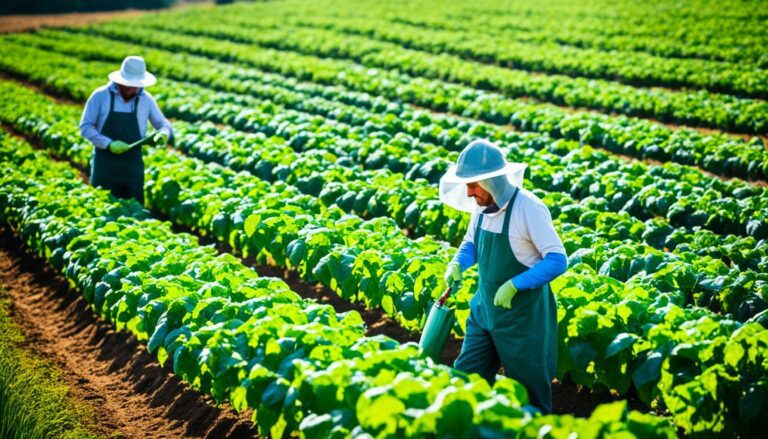
Handling pests in urban gardens is tough but crucial for a healthy environment. It’s best to use natural ways. This keeps the balance without harmful chemicals. Many by-passers use natural pest control because it fits their organic farming practices. We’ll look at ways to protect your garden.
For dealing with pests in the city, you have many options. Stuff like changing the crops you grow, covering the ground, and protecting plants with a layer all help. Putting a fence of special fabric can keep bugs out. You can also sprinkle diatomaceous earth around. It keeps pests away without chemicals.
Integrated Pest Management (IPM) is key, too. It’s about using many ways to stop pests which includes knowing about them and pre-empting their harmful effects. Start by knowing pests early, then make specific plans to deal with them. Keep an eye on how well your plans are working and change if needed.
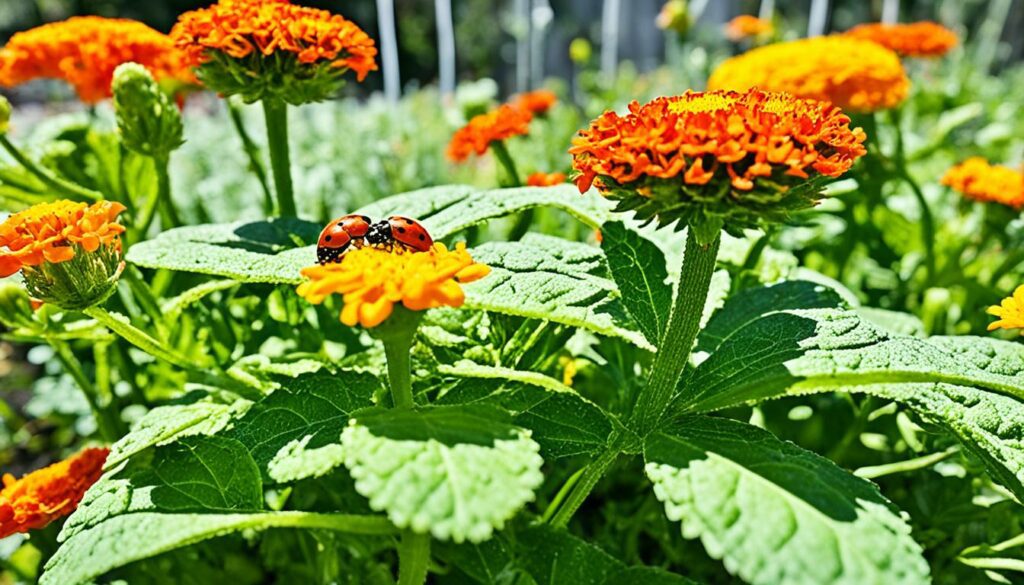
Introducing helpful bugs is a big part of natural pest control in cities. Creatures like ladybirds, lacewings, and praying mantises eat the bad bugs. Getting them to hang out in your garden can lessen the pest problem. You can help by planting flowers they like.
But it’s not just about controlling pests. Making sure your garden is friendly to bees and hummingbirds is also important. They help plants grow by moving pollen around. To keep them around, avoid using chemicals and plant things that bloom.
Using natural methods isn’t always easy, but it’s worth it. With careful thought, learning, and sticking to organic ways, city gardeners can keep their gardens healthy without chemicals. This is good for making our urban environments lush and resistant to pests.
Understanding when to plant in the city is key for those growing food in urban spaces. It helps maximise what you can grow all year round. A good planting schedule keeps your crops strong and steady.
Luay Ghafari, a leading urban gardener, has written a helpful book on this topic. Dedicated to urban planting, he shares strategies backed by science for a great harvest every time. His book, Amazon’s #1 New Release and a Best Seller, is packed with 330 pages of practical advice and beautiful photos.
It features expert tips and 21 detailed plant guides perfect for small urban gardens. These guides help you plan and plant well, even in different weather. Ghafari is known in the urban farming world, with mentions by Medium and Food52.
| Vegetable | Planting Time | Spacing | Special Considerations |
|---|---|---|---|
| Beans | Spring | 12-18 inches (bush), 4 inches (pole) | Stagger plantings every few weeks for prolonged harvest. |
| Cucumbers | Summer | Small spaces (container-friendly) | Soil pH 6.0-6.5; Spacemaster variety recommended for limited areas. |
| Onions | Early Spring | 3-4 inches apart, 15-inch rows | Categorised by light requirements (long, short, intermediate). |
| Peas | Early Spring | 5 inches apart | Sow seeds weekly for extended harvest. |
| Peppers | Late Spring | 18-24 inches apart, 24-inch rows | Full sun and fertilised soil necessary for optimal growth. |
| Tomatoes | Early Spring (indoors), Late Spring (transplant) | Varies per variety | Begin indoors 6-8 weeks before last frost; grown in over 85% home gardens. |
Besides planting tips, Ghafari’s book also features over 40 recipes to enjoy your produce, with options for vegans. His guide helps urban gardeners plan their growing season well. It ensures a rich harvest despite limited space and changing weather.
“Luay Ghafari’s approach to urban gardening empowers city dwellers to become proficient gardeners. His book is a must-have for anyone committed to sustainable urban agriculture.”
He also covers how to preserve food, like drying and pickling, so you can enjoy your crops for longer. Plus, QR codes link to more tips and videos, making it a great resource for urban farmers.
Highly praised and featured in big publications, Ghafari’s work doesn’t just grow gardens. It builds a community dedicated to smart urban farming.
The idea of urban permaculture means changing from usual city farming to a better, greener way. It focuses on three core values: caring for the Earth, looking after people, and sharing fairly. This way of thinking helps city folks to grow gardens that give more than they take and make life in the city better.
In sustainable urban agriculture, we see everything as connected. Some key ideas are:
Before starting a urban permaculture garden, it’s key to check the area. Look at how much sunlight it gets and what the weather is like. Ways like zoning and planning resources can make the most out of city spaces. Things such as raised beds and pots are great for gardening when you don’t have much room.
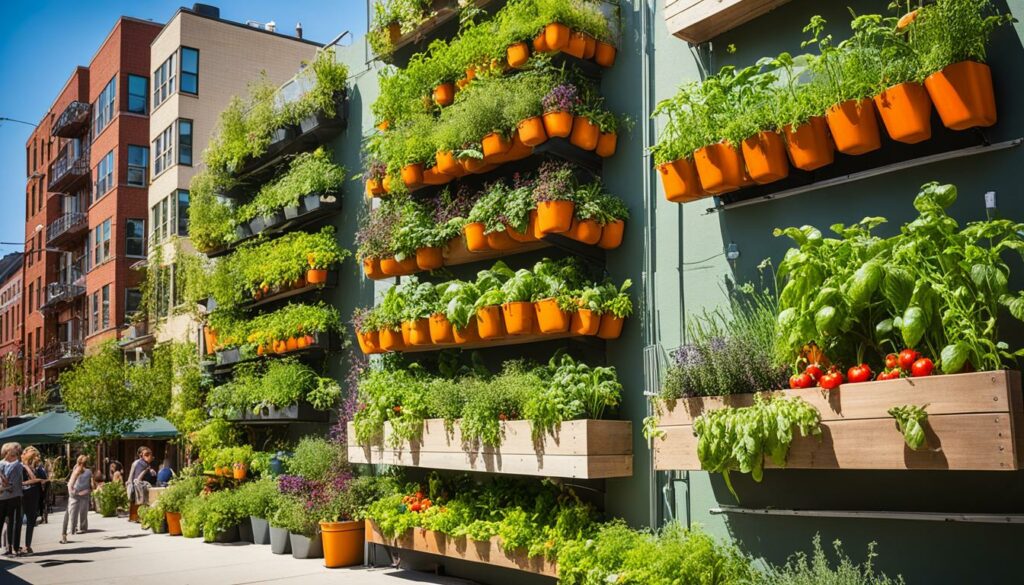
Start small in the city, maybe with a window box full of herbs or on a balcony. Then, you can grow into bigger projects like shared spaces or city food forests. These places use clever planting to help each other grow and make the most of space.
Keeping the soil healthy with compost and mulch is essential. Using rainwater and reusing soapy water for plants save on water. Smart ways to water, like drip systems, and covering the ground with mulch, help too.
Urban food forests are an example of a big dream in urban permaculture. They are filled with plants that not only look nice but you can eat too. When planning gardens in the city, thinking broadly makes them beautiful and good for the planet.
| Permaculture Principle | Application in Urban Gardening |
|---|---|
| Observation | Understanding local conditions for optimal plant growth. |
| Use of Renewable Resources | Utilising compost, rainwater, and organic materials. |
| No Waste Production | Recycling all waste to create a self-sustaining system. |
| Companion Planting | Supporting plant growth through symbiotic relationships. |
| Vertical Gardening | Maximising space with trellises and wall planters. |
| Soil Health | Enhancing soil with compost and mulch. |
For those living in cities, indoor gardening techniques are a great choice. They help overcome the challenge of small outdoor areas. These methods allow you to grow plants indoors. This improves the look and air quality inside. Gardening indoors is a smart way to add greenery to city homes. Plus, you can enjoy some fresh, organic food.
Indoor gardening techniques vary, but hydroponics is very effective. It means growing plants without soil, using a special nutrient water mix. This is great for indoor use. Artificial lighting is also key, mimicking the sunlight plants need indoors. Plus, vertical gardening makes the most of tight spaces. You can grow a lot by using walls or shelves for your plants.
Picking the right best plants for indoor urban gardens is key. Herbs like basil and mint are perfect. They don’t need much space and are easy to look after. For beauty and better air, try spider plants, peace lilies, and pothos. They’re tough and help clean the air indoors. Adding these plants brightens up your living area and makes it healthier.
Using water wisely is key in city gardening. It helps the gardens grow well and saves water. In California, a big state in farming, over half the water used in cities goes to gardens. This calls for smart steps to save water in gardens that must meet laws and help the planet. In 2009, a law asked everyone to cut how much water they use by 20% before 2020. This shows how important saving water is.
Groups such as Planting Justice in Oakland show how smart water use helps in many ways. Since 2009, they’ve set up 86 gardens and taught people how to use water better in workshops. These efforts are key for areas where people don’t have enough food. Good water use means more food and jobs for them.
“Approximately 60% of urban water consumption in California is attributed to outdoor irrigation, necessitating innovative water management techniques in urban gardening.” — Gleick et al. (2003)
Recent research shows urban gardens and smart water use help make cities stronger and healthier. Studies by Barthel and Isendahl (2013) say city farming can help feed people in the long run. Also, nature-focused ideas in cities are key to fight and adapt to climate change, according to Knickmeyer et al. (2016).
Here’s a quick comparison of some common ways to manage water in city gardens:
| Technique | Benefits | Challenges |
|---|---|---|
| Rainwater Harvesting | Cost-effective, reduces dependence on municipal water | Initial setup cost, requires maintenance |
| Drip Irrigation | Efficient water use, reduces soil erosion | Requires precise installation, potential clogging |
| Mulching | Retains soil moisture, suppresses weeds | May require frequent replacement, can attract pests |
Using a mix of these strategies is the best way to save water in city gardens. It makes gardens stronger and more successful.
By looking at different urban farm case studies, we see how much change they bring. These projects all over the world help in many ways, from growing local communities to making sure there’s enough food. They also help protect our planet.
Louisville, Kentucky, shines as an example of urban farming’s success. Places like the 7th Street Community Garden have made a big difference locally. This garden is the biggest in the area, managed by the Jefferson County Extension Service. It’s about 200m x 160m wide. Surveys show many of the city’s urban gardens are in West Louisville (35%), with others spread around.
In Jefferson County, the number of people not having enough food went down a lot. In 2017, food problems affected 15.3% of the area. By 2019, this fell to 11.7%. The positive change continues with an expected 12.9% in 2021.
Urban farming doesn’t just help in local spaces. It plays a big part in feeding people all over the world. There’s a lot of food grown in cities, up to 25% globally. And in some places, it’s as high as 70%. With more people moving to cities, we need to find smart ways to grow food.
Cuba is another bright spot for urban farming. In Havana, they turned 35,000 hectares into farms by the early 2000s. This move meant more than half the city’s fruit and veg came from these local farms. One special farm, the Vivero Alamar, shows how important urban farming is for feeding the city.
The success stories in urban farming show its big benefits. It’s key for making sure everyone has enough to eat and building strong, green communities.
| Location | Urban Farming Contribution | Food Insecurity Rate Impact |
|---|---|---|
| Louisville, Kentucky | Largest community garden measures 200m x 160m | Reduced from 15.3% in 2017 to 11.7% in 2019 |
| Havana, Cuba | 35,000 hectares converted to urban farms | 50% of fruits and vegetables produced within the city |
Urban gardening is growing fast thanks to tech tools. These tools make city farming more efficient and boost its results. They bring creative solutions and help make farming in the city more sustainable.
“The United Nations projects that nearly 6.68 billion people will reside in cities by 2050.”
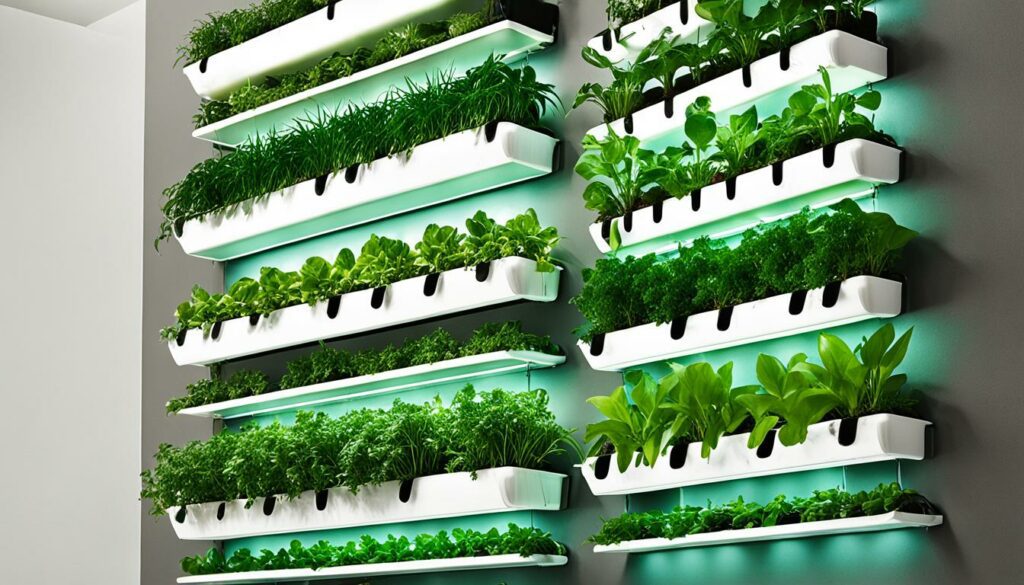
More people living in cities means more need for food, especially in poorer areas. Urban gardening tech, like smart sensors and automated systems, helps fight malnutrition effectively.
Around 200 AI-based farming startups are changing the game, especially in the USA. They’re leading the charge in making smart farming systems. These systems use tech like automated irrigation to boost what city gardens can produce.
Startups like CityFarm, Sky Vegetables, and Alesca Life Tech are showing the power of digital tools in farming. Their fresh ideas are making urban farming better, securing food for cities. With more advances, urban gardening will keep getting more popular and helpful for everyone.
Urban organic farming is crucial for tackling today’s ecological and food challenges. It involves around 800 million people worldwide, making a big impact. This approach uses cities’ spaces efficiently, making up more than 5% of the global crop area. In places like developing countries, urban farms provide a lot of fruits and veggies, up to 50 kg m^2.
Cities are growing, which means we need smarter, eco-friendly ways to farm. Urban organic farming does just that. It not only helps nature but also brings communities together. By growing key crops such as rice, wheat, and maize in cities, we prove how diverse urban farming can be. What’s more, city farmers often grow more crops in a year than those in the countryside, helping keep food supplies stable. They do face some challenges like poor soil and soil damage, but they are key in fighting food insecurity, affecting around 13% of Americans.
Yet, urban farming does more than grow food. It’s good for our health and makes us exercise more. Having gardens in our communities and homes means we spend less on food and get to eat fresh, healthy produce. They also bring people closer, make neighbourhoods safer, and lower crime rates. Urban organic farming is showing us a better way – a way that makes cities greener, safer, and more connected, all while protecting our planet.
Urban organic farming is about growing plants and raising animals in cities without using synthetic chemicals. It aims to be friendly to our planet and make food locally.
People have grown food in cities for a long time, creating community gardens. Today, it’s making a comeback because cities are growing and we’re looking for safer ways to get food.
Today, urban gardening mixes old and new farming ideas. It includes things like growing plants without soil (hydroponics) or fish and plants together (aquaponics). This allows more people in cities to help make their own food.
Growing food in cities in an organic way helps our planet. It makes the air cleaner, supports local wildlife, and uses less energy for food transport.
This type of farming also helps with stormwater and keeps cities cooler. It’s a win for both people and nature.
Urban organic farms provide fresh, healthy food and encourage exercise. Being around plants can also make us feel better, and we learn more about nature and good food.
Think about sun, water, and soil when picking a garden spot in the city. You can use balconies, rooftops, or join a community garden.
Each of these places needs a different plan to make the most food in a green way.
Setting up a garden on a rooftop needs careful thought. You must check if the roof is strong enough and can be made waterproof.
Make a plan to reach and care for your plants, so your rooftop stays safe and pretty.
Balcony gardens need creative thinking, like using tall shelves and the right pots. Pick plants that grow well in small places and make your balcony look nice.
Gardens shared by the community bring people together and help everyone learn and work together. They’re not just about growing food but about sharing skills and resources too.
To make the most of tiny urban spots, use walls for climbing plants or have plants in moveable containers. This makes small gardens more productive and beautiful.
To fix city soil, add things like compost or organic fertilisers. Making your own compost can be a great way to improve soil and help crops grow big.
To keep pests away in the city, bring in bugs that eat them or plant different things together that pests don’t like. This way, you can protect your garden without harming the environment.
A guide for planting in different seasons helps urban gardeners know the best times to plant. This keeps gardens going all year and helps get the most food from your space.
Permaculture is about gardening in a way that uses nature well. In cities, it can be small, like growing herbs in windows, or big, like whole gardens that feed people and help the planet.
Inside, you can grow plants in water (hydroponics) or under special lights. This is good for herbs, greens, and nice flowers, making your home pretty and the air cleaner.
For city gardens, it’s good to save water from rain, use pipes that drip water, and cover the soil to keep the water in. These ideas help your garden use water well and cope with dry times.
Examples of good city farms show us how new ways of farming can help cities grow healthier and have more food. They also are good for the economy and make it easier to find food in cities.
Technology is making city gardening better with gadgets that check plants’ needs and apps that help you grow. This lets us use our city spaces for good, efficient gardens.