Did you know 95% of people sign up for loyalty schemes? This number has grown by 18% last year. It shows how vital keeping customers loyal is in the organic market. In Australia, shoppers want unique and digital ways to buy. This is especially true when finances are tough. The grocery area stands out. People stay because they love the store, not just for deals.
Keeping customers faithful is hard work. Brands need to create strong emotional ties and offer ethical choices. They need to treat people as individuals. A successful programme must match the shopping habits of different groups. It should also meet each group’s specific needs.
In the world of organic products, customer loyalty is key. When done right, loyalty schemes help businesses keep customers coming back. Today, 95% of us join one or more loyalty schemes, showing how important they are in the shopping world.
Customer loyalty makes a big difference in how well stores do. In the past year alone, there’s been an 18% jump in people using these schemes. An amazing 83% stick with their favourite stores, showing why good loyalty plans are vital.
For groceries, 79% say these schemes influence what they buy. This affects how often they shop and how much they spend.
Being loyal isn’t just about buying again and again. It’s about feeling close to the brand. The facts back this up: 45% of loyalty scheme users visit shops more. This shows why stores should make these schemes about what their customers want.
Loyalty means even more to younger shoppers, like Gen Z and Millennials. They really care about these schemes when picking where to shop. For businesses to do well in the future, they need to connect with customers in special ways. This could be by offering unique shopping experiences that make people want to come back.
| Statistic | Percentage |
|---|---|
| Consumers in loyalty programs | 95% |
| Increase in loyalty program usage | 18% |
| Consumer loyalty to preferred retailers | 83% |
| Influence of loyalty programs in Grocery category | 79% |
| Frequent visits due to loyalty membership | 45% |
| Free delivery expectation as VIP benefits | 48% |
| Satisfaction through special discounts | 62% |
| Points accumulation for discounts | 56% |
Loyal customers show certain habits due to their feelings and logic. It’s key for businesses to know these loyal customer characteristics. It helps them keep loyal clients and increase how many customers stay with them.
Loyal customers follow clear patterns in their shopping. For example, many organic buyers prefer brands that always offer top-notch quality. Also, 75% of people want to spend more on products from companies that give great service.
Another thing, nearly 68% feel loyal to a brand when they buy from it again. Getting rewards, such as discounts, motivates loyalty in all sorts of customers. It’s also known that 80% of what a business makes in the future will come from just 20% of its loyal customers.
Loyalty mixes both emotional feelings and logical benefits. Emotional reasons include trust and liking a brand. In fact, almost 40% see their brand loyalty as ‘love’ for the product.
Logical benefits are things like special prices and great service. Surprisingly, 74% of people would overlook a company’s mistake if they then get great service. Plus, 67% are ready to pay more for an exceptional customer experience.
The balance of emotional and logical reasons is crucial for deep loyalty. Businesses must use these to make green customer incentives that appeal to the customer’s mind and heart. By doing this, brands can hold onto their customers better and make lasting loyalty.
| Statistics | Data |
|---|---|
| Customers willing to pay more for good service | 75% |
| Impact of a 5% increase in customer retention on profits | 25% to 95% |
| Customers who will forgive a company after excellent service | 74% |
| Customers spending more with preferred communication | 93% |
| Customers defining brand loyalty as a repeat purchase | 67.8% |
| Customers defining brand loyalty as “love” for the product | 39.5% |
| Customers defining brand loyalty as preference despite price | 37.7% |
| Importance of product/service equated to customer experience | 80% |
In recent years, consumer psychology has changed a lot. This is due to uncertain times and economic problems. According to Lazaroiu et al. (2019), how much consumers trust organic farming affects what they buy. It influences if they choose eco-friendly items and healthy foods.
Economic troubles have made shoppers more careful. People now pick products that meet their needs and values well. For instance, Deaconu et al. (2021) found that farming practices can change what consumers buy. They are choosing more health-friendly and green options.
This change highlights a move towards goods that are good for health and the planet. It means shopping habits in uncertain times look very different now. People are choosing items that they believe are good for them and the Earth.
Shopping habits are now shaped by tech-savvy consumers. They want a personalised shopping experience. Rana and Paul (2017) say that custom shopping experiences are a must these days. They aren’t just nice to have.
Charrua et al. (2021) also note how important it is for sellers to meet these demands. They need to use tech to give tailored services. This makes customers happy and keeps them coming back.
During COVID-19, agroecological producers showed great innovation and resilience. Little and Sylvester (2022) talk about their ability to adapt. This resilience is key for sellers. They need to be smart about offering personalised rewards and making unique shopping experiences.
In today’s world, doing the right thing is key to keeping customers loyal, especially in the organic product market. Consumers want brands that are ethical, open, and trustworthy. In the UK, ethical markets grew by nearly 35% in 2021 to be worth £141.6 billion. This growth was mainly in electric cars, renewable energy tariffs, and ethical investments.
Ethical branding is more than just a way to sell products. It’s about earning trust through sustainable and socially responsible actions. Companies like Horizon Organic and allGoode Organics shine because they care about the environment and society. This approach attracts green-conscious customers who love brands that share their values.
Being open and trusted is key to keeping customers for the long term. Technologies like blockchain and IoT help in being transparent and ensuring the quality of products. They show every detail of how a product gets to the customers. Using AI and machine learning, companies can also spot and fix any unethical practices.
Being clear about what a loyalty programme offers makes customers trust it more. It’s important for these programmes to focus on building long-lasting relationships. That means being open about products, money matters, privacy, and how they avoid conflicts of interest. This honesty encourages ethical behaviour and trust.
It’s also crucial that loyalty programmes are fair to everyone. Making them inclusive and getting industry groups to agree on ethical standards helps. This way, everyone wins, and the loyalty programmes are seen as trustworthy by all.
| Technology | Benefit |
|---|---|
| Blockchain | Offers transparency in supply chains |
| IoT Devices | Real-time tracking of product conditions |
| AI Algorithms | Identifies potential risks and unethical practices |
| Machine Learning | Optimizes supply chain processes for efficiency |
Companies choosing to act ethically, openly, and clearly not only find more customers but keep them too. This broad and honest approach builds lasting trust in their brands.
Creating eco-friendly loyalty programs is great for brands wanting to connect with green-minded customers. Rewards like Kiehl’s, Patagonia, and REI have done well by tying loyalty with environmental care. These companies reward customers who make green choices.
Kiehl’s, for example, rewards people for bringing back their empty product containers. You get a stamp for each one, and a free small product when you collect ten stamps. This makes recycling fun and strengthens the bond with customers.
Patagonia is a leader, linking loyalty with making eco-friendly products. This matches what 80% of people want. They choose green brands, even if it costs more. Patagonia and Kiehl’s show that eco-friendly rewards can boost a brand’s image and keep customers happy.
A strong mission statement is key for any green loyalty scheme. Brands like Horizon Organic and Uncle Matt’s Organic shout out their mission for better farming and caring for the planet. They focus on how choosing organic helps the next generations.
REI puts a chunk of its profit into saving the planet. This solid green mission appeals to consumers in key sectors like fashion and beauty. Gartner says going green can also save businesses money, attracting customers who care about the Earth.
Green customer incentives are now key for keeping customers coming back. Over 63% of people think it’s important to support brands that care about the environment. This belief is strong among nearly 75% of young people.
Eco-friendly rewards are more than a short-lived trend; they’re powering loyalty schemes forward.
Both businesses and their customers see clear gains from green efforts. After Patagonia went green, their sales shot up by 30%. Remember, 2 out of 3 shoppers choose brands that stand for something they believe in.
Green deeds build trust with customers and raise a brand’s worth in their eyes. For example, IKEA has over 180 million members in its green loyalty club.
Offering appealing green rewards keeps customers happy. Brands can use eco-friendly packaging or support green projects. Doing this shows they share their customers’ values.
More than 16% of companies are adding green rewards to keep their customers. And, a huge 66% of buyers will pay more if it means supporting the environment. That’s a lot of people looking for eco-friendly goodies.
For sustainable loyalty programs to work, brands need to offer exciting and fitting green rewards. This approach finds and keeps customers who care about the Earth. It’s a smart, heartfelt way backed by data to build lasting relationships with customers.
Effective organic customer loyalty strategies need to be different to traditional ones. By looking at organic and conventional loyalty programs, we can see how to keep customers coming back. It’s about using unique ways to keep people loyal to organic products.
Organic loyalty programs are special because they put ethics and consumer values first. Take Liberty London’s beauty box. For £20 a month, subscribers get vouchers for future purchases. This strengthens loyalty and makes rewards personal, which customers find more attractive.
However, traditional loyalty programs mainly offer discounts and points. They work but don’t connect as deeply with customers like organic brands can. For example, Huzza World supports small businesses in creating advanced loyalty schemes efficiently. This shows that organic loyalty can be both quick and sustainable.
Personalisation is key in organic loyalty. When brands match what customers like, it makes them feel special. Uncle Matt’s Organic and allGoode Organics do this well, offering custom products. It shows organic consumers they are really valued.
Making loyalty personal helps build trust and keeps customers coming back. By knowing who buys again, who tries new things, and more, brands can offer just what these customers want. This approach tailors loyalty schemes to the organic market’s needs, boosting loyalty.
Listening to customers helps build strong loyalty and a good brand image. Brands learn a lot from what their customers say. This makes their services better and keeps customers coming back.
To get feedback, brands can use online surveys, social media, and talk directly to people. These methods give real insights into what customers like and need. Airbnb, for example, talks with customers on social media. They solve problems quickly and aim to keep customers happy.
Feedback helps brands find what they can do better. By making changes based on this, they meet customer needs. This keeps customers satisfied and trusting the brand.
Solving issues fast shows brands care. It turns bad feelings into good ones. This wins customer loyalty without any tricks.
Brands should follow up on feedback. They show they’re always working to do better. This proves they really care about their customers.
| Feedback Mechanism | Outcome |
|---|---|
| Online Surveys | Gather detailed customer insights |
| Social Media Engagement | Real-time issue resolution and customer interaction |
| Direct Conversations | Personalised feedback and relationship building |
By acting on feedback, brands can keep improving. This builds trust and customer loyalty. As they continue to listen and change, their customer relationships get better. And this improves their business in a never-ending cycle.
Creating emotional ties with your brand is key to building loyalty. This goes beyond just buying products. It makes happy customers into fans who spread the word.
To do this, you must really understand your customers. Giving great service is a big part of it. This keeps your customers feeling happy and connected to your brand.
Telling stories is a great way to keep customers interested. Brands can hook their audience by talking about good causes or eco-friendly actions. These stories make shopping more than just buying stuff. They turn it into an experience that sticks with people.
Making memorable moments is key. Brands that are real and caring have an edge. For eco-friendly brands, this might mean giving special gifts or deals to show they care.
It’s vital for brands to stay consistent in what they say and do. Being real is crucial. Brands need to show they stand by their beliefs. This is how you build a strong and lasting relationship with customers.
Customers who love your brand can actually help you get better. They tell you what they like and what could be improved. By staying connected, brands can survive tough times and keep their fans happy.
An effective multi-channel engagement strategy is vital today. It helps companies connect with customers on digital platforms. Nike, for example, offers a smooth shopping journey from apps to stores.
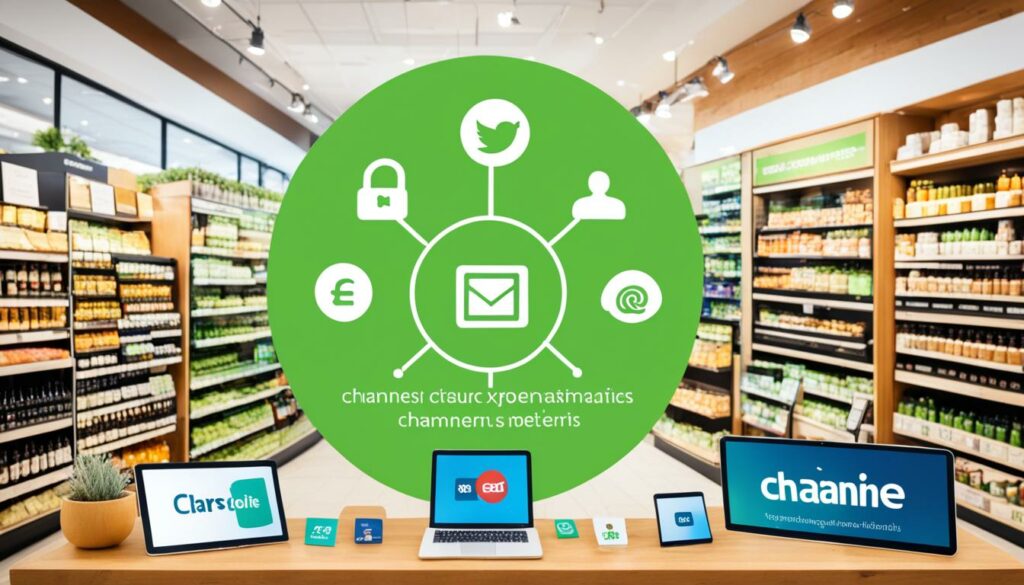
It is important to keep a consistent brand look across all platforms. Different customers have different shopping preferences. Through omnichannel marketing, brands can make the shopper’s journey feel smooth and connected.
Having a presence on many platforms is not enough. These need to work together well and meet what customers expect. Brands need to be sure that every contact, be it on Instagram or through an ad, reinforces their values and trust.
Data from these engagements can provide useful insights. This helps brands create shopping experiences that really connect with their audience. Customised interactions are key to both grab attention and leave a good impression.
Adding value consistently is great for building customer loyalty. Brands should show their worth through helpful content, special promotions, and fast customer service. Making connections across all platforms boosts brand recognition and gives customers a memorable experience.
| Types of Marketing | Advantages | Key Focus |
|---|---|---|
| Multi-channel marketing | Wider reach | Independent channels |
| Cross-channel marketing | Brand consistency | Integrated messages |
| Omnichannel marketing | Frictionless customer journey | Unified experience |
Key tools like CRM systems and email platforms are crucial for multi-channel marketing. They help ensure a great customer experience. This, in turn, leads to loyal and happy customers.
Setting up an eco-friendly customer rewards system is smart. It fits with what many customers want today: green choices. People like brands that care about the planet. So, creating rewards that show this can make people stick with your brand more.
When making green rewards, every detail counts. Rewards must show your brand is all about caring for the earth. This attracts people who think about what they buy. Also, using digital loyalty cards instead of plastic ones helps the planet and makes things easier for customers.
Big names like Patagonia, Madewell, and Etihad Airways have cool eco rewards. Patagonia turns old clothes into new ones, cutting waste. Madewell lets you get money off new jeans when you donate old ones. This helps keep fashion going around instead of throwing jeans away.
Etihad Airways has a special programme where you can give your miles to help the earth. It makes customers feel good and ties them closer to the airline. Kiehl’s lets folks get little versions of their products when they recycle. It helps the earth and gives you something in return.
REI is another big player that puts its money into the planet. Their effort has made people like them more and shop with them often. Green loyalty not only saves money but also helps the planet. It gets people to choose options that are good for our world.
Many types of businesses, like fashion and tech, are going green with loyalty rewards. Looking at what works really helps. It makes their eco rewards more tempting and works better. This way, customers stick with you because they also care about the environment.
| Brand | Eco-Friendly Initiative | Customer Benefit |
|---|---|---|
| Patagonia | Upcycling used clothes | Strengthened brand loyalty |
| Madewell | Denim recycling program | $20 off new pair of jeans |
| Etihad Airways | Sustainable choices with miles | Donate miles to green causes |
| Kiehl’s | Recycling empty containers | Stamps for free travel-sized products |
Organic customer loyalty involves seeing the special challenges and chances in the organic markets. Even though organic farming uses a small part of the world’s land, it’s a unique and growing market. Despite this, people’s interest in organic goods is rising, showing there’s room for growth.
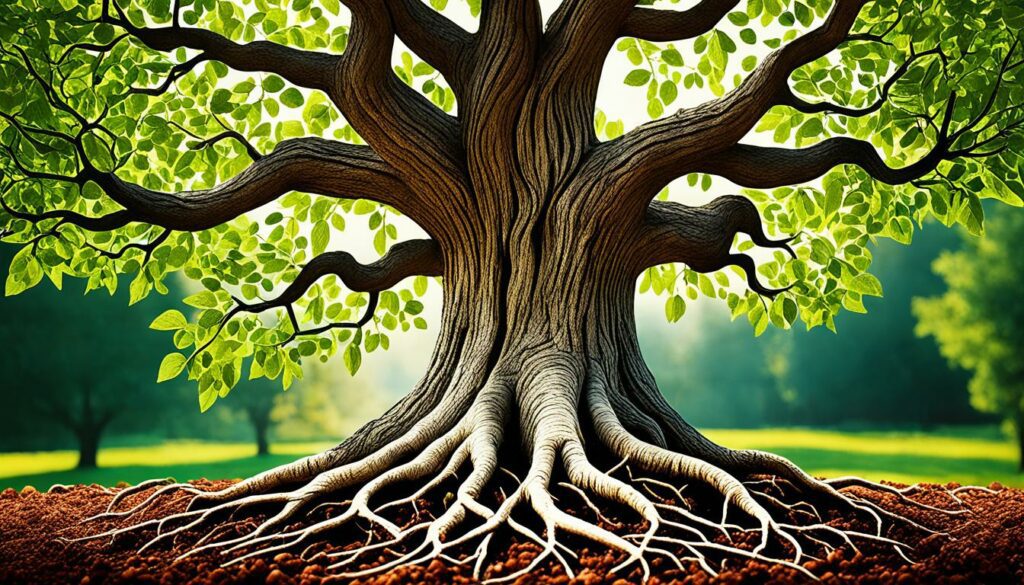
Organic products can be more expensive. This is because they’re made in eco-friendly ways. Still, many shoppers don’t know this, which makes selling organic goods harder. It also takes time to switch to organic farming, about six months. During this time, farmers need to pay more while selling non-organic goods to make ends meet.
But the upside is huge. More people want fresh, safe foods and products without chemicals. They also look for brands that care about the environment. This is where a good brand name comes in. When customers recognise a brand as environmentally friendly, they’re more likely to buy from it. Thus, the market sees new companies that make products in ways that protect our planet.
Some organic brands have won over lots of loyal customers. Horizon Organic and Uncle Matt’s Organic are great examples. They operate with a clear mission. Their products match the values many organic buyers look for. This connection has made customers stay loyal and buy more from them.
These success stories show that it’s possible to create strong customer loyalty in the organic world. They’ve shown the potential for building a brand that people trust and buy from regularly.
Maintaining customer loyalty in the organic market is tough. This is due to too many products and cheaper non-organic options. The issue is big because only a small part of the world’s farmable land is used for organic food. Moving from normal farming to organic takes time and money. Farmers face costs without gaining profits for about six months.
People often choose organic food for health reasons without knowing much about its good impact on the planet. This focus on health alone makes it harder to keep them buying organic food for the long term. Using green values to reward customers might not work for everyone.
A good brand name helps a lot. When people trust a brand, they’re more likely to keep buying its organic products. This trust boosts how happy customers are and how often they buy. It’s vital for organic businesses that struggle with high prices and competition.
Setting the right price is also key to keep customers. There is more demand for organic food now. But finding enough at reasonable costs is hard. Making sure the food is ethically made and still affordable is a constant challenge. Yet, people being ready to pay extra is good news. It gives farmers a reason to choose organic farming, helping to keep customers loyal.
Building strong relationships with customers for organic goods is key. It needs a mix of efforts. Being open and eco-friendly matters a lot. People who buy organic value clear, pure items. They don’t want chemicals that could harm them or the planet.
Organic farming takes more time, but it’s worth it. It needs about six months to clear out old chemicals. Consumers’ readiness to pay more though helps. This spurs farmers to become organic. How people see organic brands affects what they buy (Ali et al., 2020).
Winning loyalty in the organic sector boosts sales and brand trust. It leads to higher profits. This allows organic methods to grow. It also means promoting tech that is good for nature and health but isn’t harmful. Showing real care for organic ways and reaching out to customers directly matters. It helps keep shoppers loyal over time.
Loyalty from customers is vital for the success of organic businesses. It focuses on trust and the quality they provide. Loyal customers buy more often, spend more and tell others about the brand.
Green loyalty programs that give eco-friendly rewards appeal to those who love organic items. By showing the brand cares about the planet, these programs connect deeply with customers. They bring customers and the brand closer together.
Making things personal is key for keeping organic customers loyal. People love loyalty programs that are tailor-made for them. It makes them feel valued and they keep coming back.
Things like being open and helping the planet can win big on loyalty. Brands known for their ethical stands, such as Horizon Organic, really bond with customers. This connection makes the loyalty stronger.
Loyal buyers in organics look for treats like special deals and points. They appreciate regular rewards and prices just for members. What they prefer can change by who they are.
By listening via surveys, social media and chats, organic brands can improve their services. This listens-shows-value pattern turns feedback into better loyalty.
Offering eco-perks like green packaging and support for saving the Earth ties fans closer to the brand. It meets their nature-loving spirit and keeps them interested.
When money’s tight, buyers get pickier and want shopping made just for them. Shops must blend personal treats with tech if they want to keep up.
Keeping people loyal can be tough with lots of choices, cheaper options and high prices. Plus, finding organic goods can drive the costs up, making it hard to keep customers.
Telling moving stories and offering unforgettable experiences can knit customers’ hearts to ethical brands. Stories about organic life and saving the planet make shopping more than just a buy, building strong bonds.
Making sure the brand speaks the same on all platforms bridges any gap with customers. A smooth journey, from digital to real stores, makes customers feel heard and keeps them coming back.
A great mission statement matches what the brand does with what customers care about. Places like Uncle Matt’s Organic use this bond to really connect with people, making them stick around.
Green rewards are all about making the world better, like supporting green farms and projects. This focus on what the Earth needs wins everlasting customers’ hearts and trust.
Good eco benefits include eco packaging, supporting green projects, and selling things without bad chemicals. These benefits show the brand cares and keeps customers engaged.
The trend is moving towards buying organics and caring for the planet. Brands that show they live these values, such as Horizon Organic, keep people coming back through their meaningful work.