
Pests cause worldwide crop losses of 20% every year. This is a major issue for our food supply and economy. The use of artificial intelligence (AI) in detecting pests is changing the game. It offers a new level of accuracy for pest control.
Using AI in farming helps check and fight pests more effectively. For example, AI can spot pests on tomato leaves with 89% accuracy. It can also identify plant diseases with up to 95.68% accuracy. This means spotting problems early and using less harmful pesticides.
AI doesn’t just help single farms. It could improve food safety worldwide and protect the environment. By using AI, farmers can quickly deal with pests. This moves farming towards methods that are better for the planet. AI’s role in pest detection is a big step in making crop safety better.
Pest detection is key in farming, as it affects crop growth and farm profits. AI tech has made detecting pests easier and more effective. This helps in protecting crops and keeping the farm’s economy stable.
Finding pests early can save around 20% of crops each year worldwide. AI helps spot pests fast, so farmers can use less pesticides and save more crops. It reduces costs and protects the environment too.
AI makes pest control smarter. This means using resources better to get the most crops. It also means farmers can act quickly and accurately to stop pests.
Advanced pest detection saves money and increases crop harvests. By knowing when and how to spray, farms increase profits and waste less.
AI also helps predict pest outbreaks before they happen. This cuts down on pesticide use and saves money. For example, a smart sprayer reduced herbicide spraying by 90% in a new method.
| AI Integration | Benefits |
|---|---|
| Automated Pest Monitoring | Early intervention, less pesticide usage, reduced labour costs |
| AI-driven Pest Identification | Improved accuracy, optimal pesticide application, enhanced yield protection |
| Predictive Modelling | Proactive pest control, reduced pesticide usage, increased efficiency |
| Precision Pest Control Strategies | Maximised crop yields, sustainable farming practices, ecological preservation |
| Economic Stability | Enhanced productivity, cost reduction, economic resilience |
In the end, AI gives farmers better information to farm smarter. It combines many data sources to increase farm efficiency, profit, and safety. The move to AI is a big step in pest control and farm success.
Old ways of dealing with pests in farming mostly use chemical sprays. But these chemicals are bad for the environment and health.
Traditional pest control can damage the world around us. It harms the soil, pollutes water, and can hurt helpful bugs and animals. Pests can even become immune to these chemicals over time.

The chemicals used can make people sick. They may get into our bodies from what we eat or drink. This can cause problems that last a long time and cost a lot in healthcare.
We’re exploring new ways to manage pests using AI. Smart systems can find pests better and help us use less harmful sprays. This could make farming not just safer but better for our planet too.
| Traditional Pest Control Challenges | AI Pest Management Solutions |
|---|---|
| Environmental risks of pesticides | Minimized pesticide use through smart monitoring |
| Health impacts of chemical control | Reduced human exposure through targeted treatments |
| Resistance development | Forecasting pest outbreaks with predictive analytics |
| Non-target species harm | Precision application with AI-guided robotics |
AI technology is changing how we deal with pests. It’s making old ways better and adding new skills to pest control. Focused on noticing pests early, it stops big problems from happening and makes pest control work smarter.
Important steps have been taken by linking AI with pest control. Rentokil’s PestConnect uses AI to watch out for pests all the time. It gives instant pest control updates and forecasts. Blue River Technology’s smart sprayer, on the other hand, uses AI to greatly reduce the need for herbicides.
AeroPest’s automatic drones and Solinftec’s robotics are also changing how we manage pests. They help cover more ground and cost less to operate. Platforms like FarmSense are also using AI. They offer specific advice, like how to deal with the navel orangeworm in nut orchards.
AI is adding a new, data-driven layer to how we look after crops. It constantly watches fields for pests and diseases. For example, by using AI, we can tell if plants are healthy or if they need help because of pests.
This kind of analysis helps make targeted pest control solutions. It saves on chemicals and is better for the environment. Also, smart spray systems use less pesticide. They focus on where it’s needed, so there’s less waste.
In the near future, AI in pest control might bring together more smart gadgets, remote servers, and maybe even blockchain. This could lead to even better, eco-friendly pest control in farming.
AI pest detection uses machine learning to find pests. It uses smart algorithms to spot and keep track of pests. This way, it can make plans to deal with them and predict how many there might be.
It’s great because it makes finding pests early easier, so we don’t need to use as many chemicals. This helps our environment a lot.

Farmers are getting better at their jobs, thanks to digital pest tracking and AI. For example, cotton farmers have tackled bollworms with the help of AI. Also, Semios’ high-tech farming has bumped up almond harvests by cutting down moth numbers.
AI brings us cool things like smart traps and systems that watch pests all the time. Trapview and PestConnect by Rentokil are examples. They keep an eye out for pests and give advice instantly. This means fewer pests cause problems and less work for farmers.
There’s even a machine, like a smart spray, that can use less weed killer. It’s from Blue River Technology. Their system can cut down on weed killer by a lot. This makes farmers happy and saves them money.
Then there are robots like Solix by Solinftec that zap weeds and bugs on their own. They get help from weather forecasts and past data. This makes pest control work better and helps the environment, too.
But, AI pest control still has some things to work out. It’s not always perfect with data and needs people to watch over it. It can also cost a bit. Still, AI in pest control has a bright future. We’re looking at joining it with other cool tech, like sensors and blockchain. This way, we can make farming more sustainable and precise.
AI early detection changes how we deal with pests. It quickly spots possible pest attacks with the help of real-time data. These tools use cameras and sensors to spot pests, cutting down on hard work.
These AI systems are great at predicting when pests might show up. This helps plan ahead, making the use of pesticides spot on and less. So, there’s less spraying, which is better for everyone.
Devices like smart traps work all the time to keep pests away with AI. They help keep crops healthy by being very accurate and save time. Also, AI uses weather and past pest data to help us make smart choices.
Future tech might combine even more things like IoT, cloud AI, and blockchain with pest control. This mix can fix many problems, making farming last longer and cost less. It’s all about a better, smarter way to protect our plants.
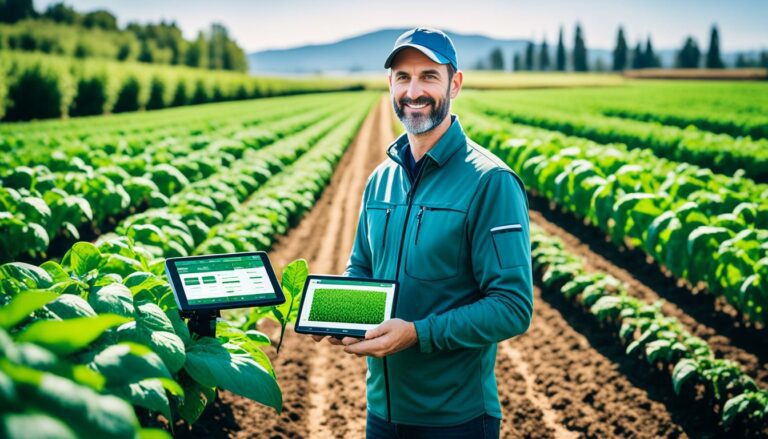
Farmers now have cutting-edge tools that use computer vision and machine learning. These tools improve how pests are managed, making it more accurate and efficient.

Computer vision has changed how we find and classify pests. It looks at detailed images to spot harmful bugs from the helpful ones. This means farmers can use fewer pesticides. From 2015 to 2022, studies show that these methods make pest control better.
AI uses sophisticated models to detect pests. These models are often better than humans. They can find pests in detail, making pest control more precise and cheaper. There’s even an algorithm, the Hunger Games Search-based Deep Convolutional Neural Network (HGS-DCNN), that’s very good at this. This advanced approach is helping farmers protect their crops like never before.
By using these smart technologies, farmers get better at keeping pests away from their crops. They have more informed ways to protect what they grow.
Predictive analytics in pest management is a modern technique. It uses AI to study past pest records and match them with the environment. This way, it gives farmers clues on how to best fight pests. They can plan better to stop pests, saving their crops.
Looking at past pest data shows us their habits and trends. With AI, we can deeply study these historical activities. It finds regular patterns and odd behaviours. Creating these smart predictive models means farmers can get ahead of their pests. This early action can protect their crops well.
Reading the environment well is key to predicting pests. AI looks at many things like weather and soil. By putting all this together, it predicts when pests might show up. This helps farmers to act on time without heavy pesticide use. So, it supports a farming that’s kinder to the planet.
| Key Aspect | AI Contribution |
|---|---|
| Real-time Data Collection | Sensors, cameras, and IoT devices |
| Early Detection | Machine learning algorithms analysing data patterns |
| Predictive Behaviour | Forecasting based on environmental conditions and seasonal changes |
| Autonomous Management | Drones and robotic devices implementing targeted treatments |
Data analytics is changing how we tackle pests in farming. Using AI, farmers can make better choices by analysing information like pest counts, weather, and past data. This helps them use their resources more effectively.

Thanks to AI, spotting pests early is easier. This means using less pesticide, being more accurate, and saving on labour as the system works non-stop. With quick responses to pest issues, crops stay safe and produce more.
Farmers who grow cotton are a good example. With AI, they fight bollworms better, leading to more crop and less overuse of pesticides. Companies like Semios have cut down moth numbers, helping almond crops grow more.
The ability to predict when pests might strike is a big plus. These predictions mean less pesticide is needed, saving money for farmers and pest control firms. By using AI to look at past trends and the environment, actions can be taken early to protect crops.
“Precision pest control strategies utilising AI show benefits in improved customer satisfaction, reduced pesticide usage, and lower costs for field technicians.”
Look at the smart sprayer by Blue River Technology. It uses AI to cut herbicide use by 90% compared to old ways. Also, AI-run traps and monitoring make watching for pests easier, more accurate, and not as hands-on for workers.
In brief, AI is making pest control smarter. By employing AI’s deep analysis, farmers can make choices that are better for their resources, the environment, and their crops’ health.
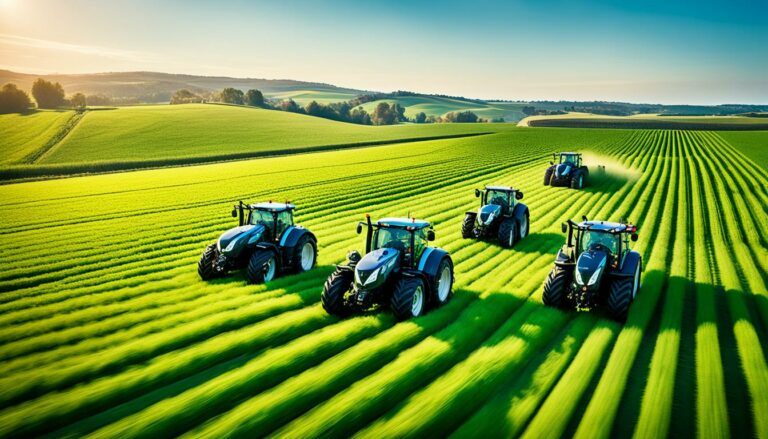
The rise of AI has brought a new age in pest management, changing how we farm. AI robots and drones are leading this change. They let farmers treat pests with laser-like precision. This means less need for lots of chemicals. It helps protect our planet as well.
Today, AI robots are key in farming. They use smart programs to find and watch pests with great skill. Companies like Solinftec’s Solix Ag Robotics use these robots for many tasks. They can find pests early, are very accurate, and save on work costs. All this helps grow more food and makes farms better.
AeroPest’s drones are making pest control even more precise. These drones use AI to spot and target pests very accurately. They can even guess the number of pests coming up to a year in advance. This helps use less pesticides and save a lot of crops worldwide. For example, cotton farmers using AI have seen big improvements in fighting pests.
| Aspect | AI-Powered Robots | AI Drones |
|---|---|---|
| Key Features | Robotic pest detection, autonomous navigation, precise treatment | Targeted treatments, predictive pest population analysis |
| Benefits | Early detection, improved accuracy, reduced labour costs | Reduced pesticide usage, proactive pest control, higher yields |
| Examples | Solinftec’s Solix Ag Robotics | AeroPest’s drones |
Technology keeps getting better, and it’s making farms more efficient and sustainable. AI in agriculture is a game-changer, particularly in spotting and managing pests. The use of machine learning and remote data helps farmers detect pests with great accuracy and speed.

AI doesn’t just find pests; it also monitors them automatically. This quick action can help protect crops and use resources better. For example, Rentokil’s PestConnect system keeps an eye on pests all the time and acts fast to control them.
But AI isn’t just about finding problems. It also provides smart solutions, like Blue River Technology’s sprayer that uses less herbicide. This means 90% less herbicide is needed, making farming more precise. Predicting pest outbreaks also helps make pest control more targeted and efficient.
Then we have AI-powered robots and drones, like Solinftec’s and AeroPest’s, which can act on their own. They find and fix pest problems, making farming even less reliant on humans. Products like FarmSense and Medfly traps show how AI can make pest control both effective and efficient.
While AI brings many benefits, there are still some challenges. Things like ensuring data is accurate, the need for human oversight, and high costs can slow down its use. But the future with AI in agriculture looks bright. It promises farms that are not just more productive but also more environmentally friendly.
| Innovation | Impact |
|---|---|
| AI and Machine Learning Algorithms | High accuracy in pest detection, reduced pesticide use, and sustainability. |
| Smart Sprayers (Blue River Technology) | Up to 90% reduction in herbicide usage. |
| Predictive Modelling | Enhanced speed and accuracy in pest management, lower costs. |
| AI-powered Robots and Drones | Automated pest detection and action, minimised human intervention. |
| Smart Traps and Platforms (FarmSense, Medfly) | Increased efficiency, labour reduction, AI-assisted targeting. |
The world of farming today needs to be smart and precise. Smart monitoring systems are now very important. They use high-tech tools like IoT devices and real-time data analysis. This changes how we look out for pests and manage them.
In farming, using IoT helps watch out for pests better. It gives farmers instant updates on what pests are up to. This tech can keep an eye on things like how humid it is or if bugs are around, from anywhere. This makes finding pests more exact and quick, so we don’t have to check everything by hand.
Getting and looking at data about farming right away is a big deal in fighting off pests. Systems powered by AI do this fast, spotting pests early and predicting when they might become a big problem. This lets farmers act quickly to stop pests, leading to better crops and less need for harmful pesticides.
One success story is how Semios and Google teamed up to cut down moth numbers harming almond farms. They used AI to study big sets of data and make plans to control pests. These efforts saved money and worked better. Companies like Rentokil and Blue River Technology also showed that using AI can make farming more efficient and cut down on pesticides.
What’s more, AI can turn lots of different data into tips that help manage pests for a long time. This is good for keeping farming sustainable and customers happy. As these smart systems get better, they will keep raising the bar for farming tech and pest control.
Intelligent pest control methods are changing how we deal with pests. Currently, up to 40% of the world’s food is lost to pests each year. So, coming up with smart, AI-based solutions is really important.

New AI-powered sprayers are making a big difference. They use data to predict and find pests, making our use of chemicals smarter. This way, we use less and reduce harm to the environment. It helps farmers be more efficient and protects the planet.
Adding to this, using natural enemies to fight pests is gaining ground. It’s a friendly way to fight pests without harmful chemicals. These methods, powered by AI, make sure this natural pest control works well. For example, Farmsense has shown promising results by leveraging AI in their solutions, receiving $2.2 million in funding.
The real breakthrough in pest control comes when we mix new tech with natural solutions. Experts believe using AI for pest spotting could create a $65 billion opportunity. This would improve pest control in fundamental ways, making farming more resilient without using as many chemicals.
| Statistic | Impact |
|---|---|
| Annual pest-induced crop loss | Up to 40% |
| Economic cost of plant diseases | $220 billion |
| Economic cost of pests | $70 billion |
| Projected increase in insect infestations by 2050 | 36% |
| Farmsense grand prize | $750,000 |
| Farmsense total funding | $2.2 million |
| Future AI in agriculture opportunity | $65 billion |
The impact of AI on pest detection is changing modern farming. It uses artificial intelligence, neural networks, and deep learning. This has improved how we find and deal with pests very precisely. The research, based on papers from 2015 to 2022, shows big steps in AI used in pest control from 2020 to 2022.
Thanks to AI, we can now find better ways to fight pests that are also good for the environment. It uses deep learning and models like CNNs for spotting pests. They do better and faster than humans. For example, using a group of CNNs with different Adam variants improves pest spotting. And a model called the Hunger Games Search-based DCNN is doing great at finding diseases in plants.
The future of AI in farming looks bright. New technologies like YOLOv5 and better drones are helping. They are making monitoring and decision-making quick and strong. This means we can use fewer chemicals on crops and catch pests early. This helps save 20% of crops we would lose each year and it’s good for the planet. So, using AI to find pests is a big step towards farming that is both strong and kind to the Earth.
AI pest detection uses smart systems to watch for and manage pests in farming accurately. This tech changes how we keep crops safe. It finds pests early, so we use less pesticide, helping the environment.
Finding pests early directly affects how well crops grow. If pests are not seen and dealt with, they can ruin a lot of the harvest. Knowing what pests are around helps farmers protect their crops better.
Finding pests before they cause too much harm saves money on lost crops. New technology makes this process cheaper. It also helps the farm run smoother.
Traditional pest control uses chemicals that can hurt the environment. They cause pollution and can affect other animals. Over time, pests can even become immune to these chemicals.
Chemical pest control is not good for people’s health. Farm workers and consumers face risks if pesticides are overused. New tech helps make farming safer for everyone.
AI brings new ways to watch for bugs and analyse data. It also helps control pests in smart and automatic ways. These are big steps forward in keeping farms running well.
AI works alongside what farmers already use, like gadgets and tools. It improves pest control without changing everything they do. This makes farming smarter and more efficient.
AI uses smart tech to get better at spotting pests. This means we can use fewer chemicals and waste less. Farming is better for the planet this way.
AI tracks pests in real time and checks environmental factors. This quick awareness helps farmers act fast to protect their crops. It’s a proactive way to lessen damage.
Computer vision sees pests clearly in images, while machine learning makes this skill better over time. This helps focus on the harmful bugs while saving the helpful ones.
Predictive analytics in AI look at past data and current conditions to predict pests’ future moves. With this info, farmers can stop bugs before they become a big problem. It keeps the harvest safe.
By examining lots of data, AI finds the best ways to manage pests. It offers advice that makes pest control smarter and more effective. This way, farmers can make decisions based on facts.
Robots and drones with AI are used to treat areas with pests specifically. They apply pesticides where they’re needed most. This means using less pesticide overall and less harm to the environment.
AI checks crops closely and spots where pests are, so treatments are just right. This exact treatment helps keep farming healthy for the planet. It also makes sure crops grow as best they can.
These systems watch pests with smart gadgets and analyse data quickly. They’re a big help in stopping pests before they become a problem. It shows how technology is changing farming for the better.
AI-led spraying is precise, so less pesticide is spread, which is good for the planet. Biological agents, also helped by AI, offer natural ways to control pests. It keeps the environment in balance.