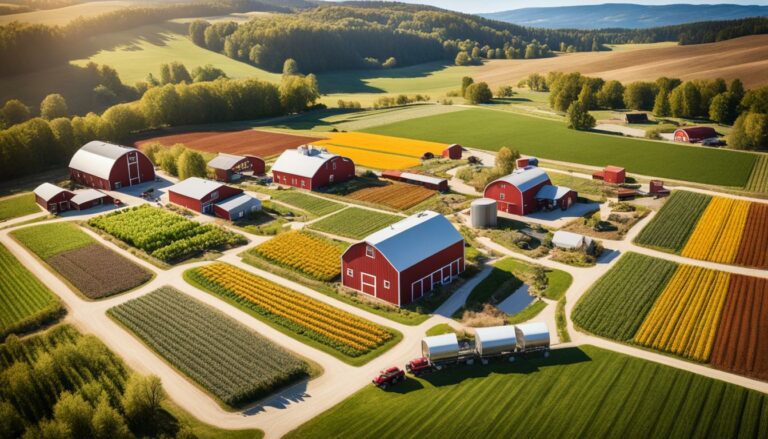

Did you know, between 2000 to 2001, 62 million adults visited farms and ranches in America? Yet, only a few work directly in farming. This shows that there’s a need for more activities in agritourism to teach everyone about farming.
Including educational activities in agritourism like strawberry picking can make farm visits fun and informative. These things improve the trip for visitors and the value of the farm.
Creating a mix of activities for visitors to explore on their own or with a guide makes agritourism rewarding. This approach makes people understand farming better and connects them with the farmers. It also adds income for the farms, showing how important fun learning is.
Agritourism is now a major way to make people more aware of farming. It acts as a link between consumers and the farm world. This way, people can learn a lot about old and new farming practices.
Agritourism is key in helping farmers earn money and educating the public about farming. By offering activities, it turns visitors into well-informed buyers. For example, between 2000 and 2001, over 62 million people visited farms in the U.S. This showed a huge interest in where our food comes from.
This interest is vital as it sparks conversations about food origins and farming efforts.
Educational farm activities have many benefits. They can be simple like picking your own fruit or more complex like harvest festivals. In New Jersey, more than 20% of farms offer these chances, using up around 43% of their lands.
These activities teach people about farm life and make them think more about being sustainable.
Such lessons also help local economies. In New Jersey, they bring in about $57.53 million. But, not everyone can do agritourism. It needs specific skills and can have rules and legal challenges.
Virginia shows that about half of agritourism activities focus on education. Farm festivals and event spaces are also popular. Overall, agritourism boosts the economy, with visitor spending reaching $1.5 billion. It also increases understanding of and support for sustainable farming.
Agritourism is full of agritourism activities for all tastes and learning styles. Visitors can explore at their own pace or take part in hands-on experiences. This ensures everyone enjoys and learns something valuable.
Guided tours are a highlight, offering deep insights into farming. In New Jersey, 43% of farmland is part of agritourism. This shows how important these activities are for teaching about farming.

For those who love to learn on their own, farms provide guides, signs, and even audio tours. This method suits various learning styles. Every visitor can find something that interests them.
Staying on a farm helps visitors understand farm life. It’s not just educational but also fun. Studies show agritourism can bring in lots of money, from $800 million to $3 billion in the U.S. in 2008.
In New Jersey alone, over 20% of farms offer agritourism, bringing in $57.53 million. This signifies the benefits for both farmers and local communities. Agritourism also boosts other industries by $33.3 million, showing its positive economic effect.
From kids’ camps to wine tasting, agritourism has something for everyone. These fun activities teach about farming while creating great memories. As agritourism grows, it will keep getting better for visitors and farm business owners alike.
Exploring farms on your own lets you discover how a farm works in a unique way. Visitors can walk around and learn about farm life at their own speed. This way of visiting a farm is getting more popular because it’s tailored to what each person likes.
To make these trips more interesting, many farms offer info through signs, interactive things, or leaflets. You can learn about different strawberries or how old farm tools work.
A study from the University of California showed that most California farms with on-site visits want to offer more in the next few years. They want to make more money and give better experiences as more people visit.
Middle Farm is special because they focus on teaching without pushing to sell. Even though they don’t charge for learning activities, only a few farms do, they see it as a good way to connect with people. These activities help others to understand and like farms more.
Audio tours, like the ones at museums, have become a new way to learn on your own when visiting farms. They give extra info and add fun facts, making the visit interesting and full of learning.
The idea of *educational guides in agritourism* is getting better. More farms want to find new ways to let people learn and enjoy farm visits. This mix of natural beauty and learning makes agritourism attractive to families and individuals looking to learn.
Guided explorations help us learn about farming with the help of experts. These tours are well-organised. They show different parts of farm life and help us understand farming better.

Guided tours offer a lot. They are fun and teach us a lot about farming. You get to learn from the guide and ask questions. This way, you understand farm life more deeply.
They also make the farm visit memorable. Millions of people visit farms, ranches, and wineries each year. They enjoy the personal stories and the chance to learn about farming jobs like farm manager and food supervisor.
Learning sessions and farming shows are key. They teach us about growing crops, maintaining the soil, and using organic methods. Visitors can join in planting or watch how dairy is made, learning hands-on.
Getting your hands dirty helps you really understand farming. It’s particularly fun for school groups. They learn quickly and enjoy it more.
Here’s what a usual guided exploration involves:
| Component | Description | Examples |
|---|---|---|
| Live Commentary | Real-time insights from experts | Stories about the farm, how crops are grown |
| Interactive Elements | Fun activities for visitors | Joining in planting, watching how dairy is made |
| Presentations | Talks about farming | Learning about sustainable farming, taking care of the soil |
| Career Insights | Info on farming jobs | Managing a farm, fixing farm equipment |
Making shows and talks about farming central to these visits ensures everyone has a great, informative time.
Interactive farm stays give a unique chance to learn about farming. Visitors can take part in farming tasks directly. This type of trip shows the charm of countryside living and is very educational. It lets people feel closer to the food-making process we all depend on.
Being part of farm work on a stay makes you respect farm life more. It lets you learn important farming methods and feel proud when you finish tasks. These memories are special and not like learning in a school. They also help visitors form strong ties with farms.
There are many different types of farm stays to enjoy. Here are some examples:
Interactive farm stays mix fun with learning about farming. They help people understand agriculture better and its importance in our lives.
Farm-to-table events change how we see and enjoy food. They highlight the journey from the farm to our plates. By offering fresh foods and farm lessons, they capture our interest.
These attractions are loved for many reasons. People enjoy food right after it’s picked. This creates a strong bond with the food’s origins. Trying new tastes and learning about cooking makes each visit special. These reasons make us want to come back.

Planning these events takes care and creativity. Follow these steps for a great and educational time:
These activities promote the value of eating fresh, local food. They also teach us about food production. By carefully planning farm-to-table events, we create lasting, insightful moments. These help connect us with where our food comes from.
| Statistic | Details |
|---|---|
| Local Food Sales | $6.1 billion in 2012 |
| Farm to School Programs | 44% of U.S. schools |
| Agritourism Operations Growth (Florida) | Doubled from 281 to 761 between 2007 and 2017 |
| Florida Farmland | 24 million acres |
Rural immersion programmes let people experience farming closely. They allow participants to stay long on farms. Here, they can help with crops, animals, and learn about farming in a sustainable way.
One great example is Turtle Island’s school camp. It has both day trips and overnight stays. For over 20 years, Durham Academy has sent 9th graders to Turtle Island. They do outdoor activities like fires, baking bread, and using tools they make. It’s all about simple living and caring for nature.
These programmes show the challenges of living outdoors. Turtle Island aims to make a community feel among participants. Laws in North Carolina remind us of the risks in such activities, but it tells us to face them.
South Carolina has many farms open to visitors. The Agritourism Passport lets visitors explore different kinds of farms. They can enjoy mazes, picking their own fruit, and meeting animals. This helps in supporting local farms and getting closer to the farming community.
| Feature | Turtle Island’s School Camp | Agritourism Passport Programme |
|---|---|---|
| Type of Activities | Fire-making, Cooking, Carving | Crop mazes, U-pick fields, Hayrides |
| Visitor Demographics | All ages, Students | General public, Families |
| Duration | Day-long, Overnight | Varies by farm |
These experiences truly capture the farming lifestyle. They bridge the gap between city and country life. People gain a lot from these rural adventures. They understand farming better and love the countryside even more.

In today’s green world, agritourism plays a key role in teaching sustainability. It lets people get hands-on with green activities. This helps them appreciate the environment more and see sustainable farming in action. At events like the Vermont Farm-Based Education Forum, where many women come, this is clear. They work with groups like the Farm-Based Education Network and others to boost these efforts.
Learning about green practices happens right on the farm. People try out things like rotating crops and using natural fertilisers. This gives them a real feel for looking after the land. Forums, like ones in Pennsylvania’s Lancaster County, show how agritourism helps farmers earn more. It also teaches visitors why supporting sustainable agriculture is important.
There are many educational farm programmes focusing on green farming techniques:
The Lancaster County model highlights the big wins of agritourism. It gets people more interested in farm products and opens new markets. Indiana supports this with laws that shield agritourism hosts from farm risks. But, problems like too much noise, traffic, and local disagreements need sorting for smooth green farming promotion.
| Event | Partners | Focus |
|---|---|---|
| Vermont Farm-Based Education Forum | Farm-Based Education Network, Vermont Farms! Association, Shelburne Farms, NOFA VT, UVM Extension | Hands-on sustainable practices |
| Indiana General Assembly Definition (2011) | State legislation | General agritourism definitions and protections |
| Lancaster County Agritourism Initiatives | Local agricultural organisations | Economic viability and consumer education |
Getting hands-on with farming lets visitors dive into the farm life. It’s a great way to learn about agriculture. Many farms embrace this approach, making visits fun and educational for kids and adults alike.
Take Home Sweet Farm in Texas for example. They make kids happy with ladybug releases. They also have a place where you can pick your own melons. And in Colorado, The Living Farm lets kids play with lambs. This helps them connect with animals early on. These fun farming activities teach and entertain our little ones.
In Nevada, Lattin Farms educates through school tours. They cover topics like pollination. And they let kids get their hands dirty with actual farming. In Washington, WoodBee Christmas Tree Farm sparks imagination. Kids make wreaths and meet the fun character “Randolph, the phony baloney pony who thinks he’s a reindeer.”
Places like Prairie Pedlar Gardens in Iowa have kids working with plants through their “Kinder Garden.” Activities like the Green Team bring farming to life. Terhune Orchards in New Jersey offers various farm activities throughout the year. From gardening to bug hunts and storytelling, these programs make learning enjoyable.
At Salt Creek Farm in Washington, children love the potato digging fest. This turns farming into an exciting adventure. Such experiences show how agritourism enriches our understanding of farming.
The popularity of agritourism highlights its role in connecting rural and urban areas. These hands-on activities not only entertain but educate deeply. They help communities appreciate their farming heritage.
Technology in agritourism makes visits more fun and educational. It mixes old farming ways with new tech, showing visitors something different. This blend creates unique ways to learn and connect with farming.

Audio tours are a key part of tech in agritourism. They offer a special way to learn on the go, letting you listen without a guide. Visitors enjoy stories just for them and the chance to explore as they like. For young folks and tech fans, it’s a hit.
These tours have made a big impact. Farms using audio tours see more happy visitors who really get into the experience. They learn about crops, green farming, and farm tools like never before.
Mobile apps are the latest in agritourism tech. They help visitors have fun and learn while exploring. With maps and farm details on hand, finding your way around is easy.
Apps are great for big farms where guiding everyone would be hard. They save money and offer a top-notch visit. Personalised tours based on your interests are their speciality.
The following statistics support the growing trend of agritourism technology integration:
| Technological Implementation | Impact on Agritourism |
|---|---|
| Audio Tours | Enhanced visitor engagement and satisfaction |
| Mobile Apps | Personalised and interactive self-guided tours |
| Geospatial Insights | Improved tour planning and sustainable practices |
Tech is changing the way we see agritourism. Audio tours and apps are key to making visits engaging and memorable. They help farms attract new folks, support green practices, and boost the local economy.
Exploring agricultural heritage is key to keeping our past alive. It helps people understand their cultural roots and learn from history. When visitors dive into these well-kept stories, they really feel a part of the farm’s story. This not only enhances their trip but also supports the preservation of farm history.
Preserving farm history involves shedding light on key events, old farming methods, and the people who shaped the farms. This includes women and older folk and focuses on big farms, especially those with animals. Places like the intermountain West and coastal areas attract a lot of visitors. They are rich in agricultural history and have a strong sense of business.
Captivating people with historical farm tales mixes interesting stories with hands-on experiences. Sharing real stories and showing ancient tools makes visitors appreciate the farm’s journey more. Things like interactive exhibits, tours, and learning sessions bring history and the current farm together. This helps people see the true value of the farm’s history.
Between 2002 and 2017, farm tourism income skyrocketed. This is largely thanks to farms near nature and those part of local food movements. By celebrating their agricultural heritage, farms make a deep impression on visitors. They help people value history in today’s farming world.
Family-focused agritourism offers fun and educational experiences for children. Kids learn about agriculture through engaging farm activities. This helps them understand and appreciate farming more.

Designing child-friendly farm programs mixes learning with fun activities. Tasks like gardening or meeting animals can draw kids in. It’s best to start with a smaller group, around a dozen kids, to ensure everyone’s safe and gets attention.
As programs grow, you can host up to 100 kids per session. This could bring in up to $22,500 a year with $75 per child visit. Letting pre-arranged kids’ groups visit first helps things run smoothly.
Successful agritourism places blend education with fun for families. They might have ladybug releases or special gardens kids love. This way, they teach without formal classes.
Birthday parties and events bring in a big part of the money for these farms. Learning from these examples can help other farms do well. They show how to meet the needs of different families with creative ideas.
Child-friendly farm programs are a win-win for everyone. Kids have a great time and learn a lot. These programs also bring steady money to farms offering fun, educational visits.
These case studies look at how mixing farming with learning can succeed. They offer great ideas for making fun and unique agritourism experiences. This helps us get inspired in the field of agri-education.
The Agricultural Marketing Resource Center defines agritourism as “the act of visiting a working farm or any agricultural, horticultural, or agribusiness operation for leisure, education, or participating in farm activities.”
Let’s focus on Taiwan’s agriculture, a great example. In 2015, they made about 477.72 billion TWD (14.98 billion USD) in farming. But this was only 1.77% of their GDP. The number of farm workers also dropped a lot, from 1.6 million in 1978 to 557,000 in 2017. This shows a big need for agritourism to help people learn more about farming.
In Taiwan, a project brought together local and foreign students to learn about agriculture. This programme has been running for the past 15 years to build cultural understanding through farming.
Moving to North Carolina, small farmers there have started to use agritourism more. Things like age, gender, and education played a big role in their success. The way the farms were organised, their location, and access to the internet also made a difference.
| Farm Name | Programme Type | Key Success Factors |
|---|---|---|
| Sunshine Farms | Hands-on Cheesemaking Workshops | Engagement of Local Community, Skilled Instructors |
| Lavender Hill | Lavender Crafting Classes | Diverse Product Offering, Marketing Strategies |
| Happy Valley Farms | Interactive Farm Stays | Personalised Visitor Experience, Sustainable Practices |
Adding agritourism helps farms make more money, but it has its challenges. Operators in North Carolina are generally positive about their projects. They see the future of agritourism as bright, despite challenges.
Farm location, working status, and initial capital don’t always affect success. What’s more important is if farmers love their work, manage risks well, and diversify their business. These are the key to a successful agritourism programme.
The success stories of these agritourism programmes highlight the importance of mixing traditional farming with new learning methods. This creates a rich and engaging agritourism experience for everyone involved.
Take-home resources greatly boost the educational value of agritourism. They let visitors stay connected with the farm. This builds a strong link between people and what they’ve learned about farming.
Agritourism take-home items like printed guides are very popular. These guides explain the farm’s work, the crops grown, and how it’s all done sustainably. They’re given out to help visitors remember their trip and share what they’ve learnt with others.
In Franklin County, Massachusetts, these guides are particularly useful. The area is big on selling farm goods straight to the public. The guides support ongoing education about agriculture there.
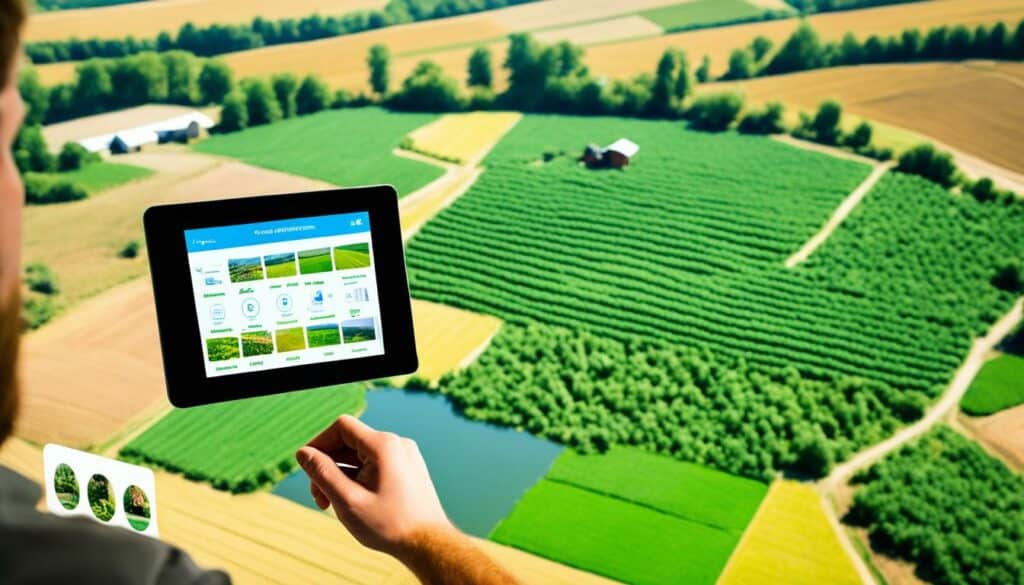
Technology has opened up new ways for farms to connect with people digitally. This includes using maps, virtual tours, and videos online. These tools make learning about farming fun and interesting for everyone.
Also, keeping in touch online with visitors through social media and emails makes information flow easily. This helps maintain their interest, and it allows the farm to reach a wider audience.
People find agritourism resources to be really valuable. They love taking things home to keep learning and to tell others. By offering both print and digital materials, farms can ensure that the learning journey continues for their guests.
Exploring educational activities in agritourism shows they bring big benefits for all involved. These programmes help visitors understand and respect agriculture and sustainability. For example, Taiwan has seen its farming workforce drop from 1.6 million in 1978 to 557,000 in 2017. But, agritourism is helping, offering activities beyond just farming.
Education is key in these activities, like farm tours and U-pick experiences. They are fun but also improve knowledge about farming. In 2015, Taiwan’s agriculture made up only 1.77% of the country’s income. Agritourism helps boost this number by educating both locals and tourists.
For agritourism to keep growing, smart planning and promotion are crucial. Farm owners must meet visitors’ needs with unique experiences. This keeps people coming back for more knowledge and fun. Over the last twenty years, agritourism has shown it’s a vital part of the agricultural world.
In summary, agritourism’s educational aspect is very important. It creates fun, lasting memories while making people more aware of farming. By focusing on education, agritourism can stay relevant and important in the future.
Agritourism merges farming and tourism. It lets people see and learn about farm life. This connection helps us all appreciate how food is made. It also teaches us about the countryside.
Educational activities make visits more enriching. They help us understand farming and caring for the earth. They make us value where our food comes from. This leads to smarter choices when we buy food.
In agritourism, you can join self-guided or guided tours. You can stay on a farm and work with your host. There are also programs where you can do real farm jobs and eat farm-fresh meals.
All these let us see farming in new ways. We learn about the hard work behind our food. It gives us a chance to help out and learn real skills.
Self-exploration lets visitors discover farms alone or with friends. Farms have guides, signs, and cool things to see. There are even audio guides and apps to make learning fun and easy.
Guided tours are led by experts who know a lot about farming. They tell stories and answer questions. This makes the farming world more interesting.
There are also shows and lessons so you can learn by doing. It’s a fun and very engaging way to understand farming up close.
Staying on a farm and doing jobs is a great way to learn. It connects you to where your food comes from. You appreciate farm life more and learn a lot.
This hands-on experience is unforgettable. You gain real skills and knowledge about agriculture.
Farm-to-table lets you taste farm-fresh food and know its story. It uses local, seasonal ingredients. You get to enjoy good food while learning how it’s made.
It mixes cooking with interesting facts about farming. This makes your visit both fun and informative.
Rural programs let you stay longer on a farm and fully take part. You do real farming tasks. This gives you a deep look into farm life.
It connects you with nature and the hard work of farm living. You come away with a newfound appreciation for farmers and their work.
Sustainable farming is taught with cool activities and demos. You get to see eco-friendly farming up close. This kind of learning helps protect the planet.
People get to join in and learn by actually doing. It teaches us to care for the earth, which is important for the future.
Hands-on activities allow you to sow, harvest, and care for animals. They show how important farming is. You learn by doing and have fun.
Getting involved makes the lesson stick better. This way, you remember where food comes from and value the work farmers do.
Technology like audio guides and apps make learning more fun. Audio guides offer stories as you explore. Apps show you interesting facts with each step.
These tools make understanding farms and their work easy. Learning becomes an adventure with new things to discover at every turn.
Looking into farming’s past teaches us about our roots. It shares old farming ways and stories. This builds respect for farming’s history and the people who started it.
By knowing where we come from, we understand and value the hard work farmers do today. It makes visiting farms a richer experience.
Agritourism has lots for families, like easy garden work and looking after animals. Kids can do fun, hands-on activities. This makes learning about farming exciting and memorable.
There are special events like releasing ladybirds or treasure hunts. These activities mix fun with learning. Families get to enjoy their visit and take home great memories.
Good agritourism has workshops like making cheese or crafting with lavender. These workshops are creative and fun. They show different cool ways to tie learning with enjoying the farm.
Such activities are great for visitors. They inspire new ways to learn and have fun on the farm. This kind of creativity helps farms be more appealing to guests.
Leaving with guides, handouts, or digital stuff keeps learning going. These things remind you of the farm and what you learned. They also encourage coming back or telling friends about the great time you had.